
- This topic is empty.
-
AuthorPosts
-
2026-11-24 at 5:47 pm #67943
As the photovoltaic industry becomes increasingly competitive, solar manufacturers are paying closer attention to equipment efficiency and capital expenditure. Maintaining stable production is essential, but investing in completely new machinery every time an existing unit begins to show signs of wear is not always the most economical approach.
For many PV factories, tape application is a process that deserves closer attention. Although it may not be the most complex stage of module manufacturing, the performance of a tape applicator can influence material utilization, assembly consistency, and the efficiency of connected production operations.
When an aging machine starts producing inconsistent results, manufacturers may consider repairing it, replacing it with new equipment, or purchasing a refurbished tape applicator. Understanding the differences between these options can help factories make more informed equipment investment decisions.
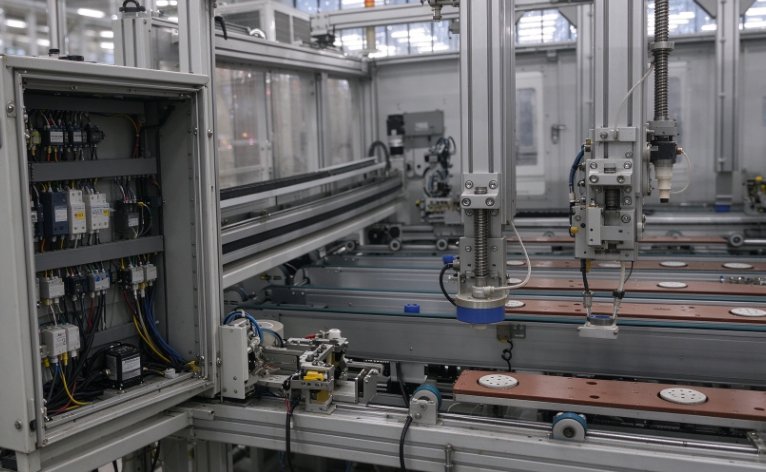
Common Signs That a Tape Applicator Is Affecting Production
Like other automated machines, tape applicators experience mechanical wear and component aging after extended operation. Some problems develop gradually and may initially appear to be minor operational inconveniences.
One common issue is inconsistent tape feeding. Worn rollers, damaged guides, or unstable tension control can affect how adhesive tape moves through the machine. This may result in wrinkles, stretching, uneven application, or inaccurate positioning.
Mechanical wear can also affect repeatability. When transmission components or positioning mechanisms become loose, operators may need to make frequent adjustments to maintain acceptable application results. Over time, these adjustments increase labor requirements and make production quality more dependent on operator experience.
Electrical and control components deserve equal attention. Aging sensors, motors, wiring, and control systems can cause unexpected interruptions or unstable machine responses. In an automated photovoltaic production line, these problems may affect the coordination of adjacent processes and make production scheduling less predictable.
When maintenance becomes increasingly frequent, manufacturers should evaluate whether continued repairs remain worthwhile or whether equipment replacement would provide better long-term value.
New vs. Refurbished Tape Applicators: Which Is More Suitable?
The decision between new and refurbished equipment depends on the factory's production requirements, available budget, and existing line configuration.
Evaluation Factor New Tape Applicator Refurbished Tape Applicator Initial investment Generally requires higher upfront expenditure May offer a lower initial purchasing cost Component condition Supplied with new components Depends on inspection and refurbishment work Production integration Requires confirmation of specifications and interfaces Existing configuration and compatibility must be verified Typical application New production facilities and major line installations Selected equipment replacements and production upgrades Key purchasing consideration Specifications, delivery, and technical support Actual machine condition, testing records, and refurbishment scope For factories with established photovoltaic production lines, refurbished equipment can be an option worth considering. If the existing production layout, electrical infrastructure, and supporting machinery remain suitable, replacing an individual machine may avoid unnecessary changes to the wider production system.
Nevertheless, a lower purchase price does not automatically make refurbished equipment a good investment. Manufacturers need to understand what has been inspected, repaired, replaced, and tested before making a purchasing decision.
Four Factors to Check Before Buying Refurbished Tape Application Equipment
1. Tape Feeding and Tension Control
The feeding assembly is directly related to application consistency. Buyers should examine rollers, material guides, tension-control mechanisms, and other components involved in tape delivery.
A properly maintained feeding system should move the specified tape smoothly without excessive stretching, slipping, or repeated manual correction. Testing with the buyer's actual adhesive material is particularly useful because different tape types may behave differently during operation.
2. Mechanical Condition and Positioning Accuracy
A refurbished tape applicator should undergo a thorough mechanical inspection. Transmission components, moving assemblies, positioning structures, and connection points should be checked for abnormal wear, looseness, and inconsistent movement.
These details matter because even small mechanical deviations can become noticeable during repeated production cycles. Buyers should request operational demonstrations or testing records rather than relying exclusively on the machine's external appearance.
3. Electrical Systems and Safety Functions
A machine's mechanical condition is only part of the assessment. Sensors, motors, wiring, electrical cabinets, control systems, and safety devices should also be evaluated.
Unstable electrical components can cause intermittent faults that are difficult to identify during a brief inspection. Confirming that the control system responds consistently under operating conditions helps reduce the likelihood of unexpected downtime after installation.
4. Actual Application Performance
The most meaningful evaluation is whether the equipment can perform the required application task consistently.
Where possible, manufacturers should provide representative workpieces and tape materials for testing. This allows both parties to assess feeding stability, application position, repeatability, and the machine's suitability for the intended production process.
Production Compatibility: An Important Step Before Ordering
Even a well-refurbished machine may create problems if it cannot work with the buyer's existing photovoltaic production line.
Before purchasing, manufacturers should prepare several technical details:
-
Tape specifications: Material type, width, thickness, roll dimensions, and other relevant characteristics.
-
Workpiece requirements: Module dimensions, application locations, and positioning tolerances.
-
Production capacity: Expected cycle time, operating frequency, and daily production requirements.
-
Installation conditions: Available floor space, machine dimensions, and utility requirements.
-
Control interfaces: Electrical specifications, communication protocols, and connections with upstream or downstream equipment.
Providing this information early allows suppliers to evaluate compatibility before shipment. It also helps identify potential modification requirements, reducing the risk of additional installation expenses and commissioning delays.
Manufacturers should also clarify the refurbishment scope, including which components have been replaced, which parts have been repaired, what testing has been completed, and what technical support is available after delivery.
How Bluemann Supports Photovoltaic Equipment Renewal
For solar manufacturers looking to control equipment investment without overlooking production requirements, working with a specialized photovoltaic equipment supplier is an important consideration.
Bluemann focuses on photovoltaic production equipment, refurbishment solutions, production-line upgrades, and related spare parts. Its refurbished equipment offerings give manufacturers another option when evaluating aging machinery or expanding selected production processes.
When considering a refurbished tape applicator from Bluemann, buyers can provide information about their existing line configuration, tape specifications, application requirements, and operating conditions. These details help establish whether the available equipment is suitable for the intended production application.
Rather than evaluating machinery solely by its purchase price, manufacturers should consider its actual operating condition, application performance, integration requirements, and after-sales support.
Conclusion
Replacing aging photovoltaic production equipment is not always a straightforward decision. While new machinery may be appropriate for major facility expansions or completely new production lines, refurbished equipment can provide an alternative for selected replacement and upgrade projects.
For tape application processes, the most important considerations include stable feeding, reliable mechanical operation, functional electrical controls, and compatibility with existing production requirements.
A carefully evaluated refurbished tape applicator may help PV manufacturers manage capital expenditure while maintaining practical production capabilities. By checking equipment condition and application performance before purchasing, factories can make more informed decisions about equipment renewal.
To explore refurbished photovoltaic production equipment, contact Bluemann and discuss your tape application requirements and existing production-line configuration.
http://www.bluemannsolar.com
Wuxi Bluemann -
-
AuthorPosts

- You must be logged in to reply to this topic.