
- This topic is empty.
-
AuthorPosts
-
2026-11-11 at 5:29 pm #67797
Tropical environments present a distinct set of engineering challenges for outdoor hospitality projects. High humidity, heavy seasonal rainfall, intense ultraviolet exposure, and persistent insect activity place continuous stress on structural materials, fabric membranes, and guest comfort systems. For resort developers, camp operators, and private landowners evaluating glamping infrastructure in these regions, the choice of tent architecture and material composition directly affects durability, maintenance costs, and long-term guest satisfaction. As a specialized outdoor hospitality equipment manufacturer—operating under the names YuntuTent, StarsGlamping, and starstent—Safari Tent Manufacturing & Solutions Provider has developed a product range engineered to address these conditions through specific structural and material choices documented across its catalog.
Understanding the Demands of Tropical Climates
Before selecting a tent model, it is worth defining what "tropical-suitable" actually requires in structural terms. Humidity accelerates corrosion in untreated metal frames. Heavy rainfall demands waterproof membranes with reliable drainage profiles. UV exposure degrades fabric over time without resistant coatings. Insects require physical barriers such as mesh screens. Each of these factors is addressed differently across the company’s product lineup, and understanding which features map to which climate challenge helps buyers make an informed decision rather than a generic one.
The Safari Tent – Taurus: Built for Rainforest Conditions
Among the full product range, the Safari Tent – Taurus is positioned explicitly as a "versatile, house-like all-season glamping tent," with climate adaptability "designed for performance in deserts, grasslands, and rainforests." This direct reference to rainforest performance makes it a relevant option for tropical deployments.
Its core features include a self-cleaning PVC membrane, which reduces maintenance costs by utilizing rainwater to wash away dust—a practical benefit in regions where rainfall is frequent and consistent. The model also offers flexible frame options, available in solid wood, aluminum alloy, or galvanized steel, allowing operators to select a frame material suited to local humidity and budget considerations. Its house-like appearance further provides a sense of security and permanence, which matters for guest perception in long-term resort installations.
Material Engineering That Withstands Humidity and Corrosion
Beyond individual product models, the company’s underlying technical specifications are directly relevant to tropical performance. Outer covers across the product range utilize 850g/sqm PVC-coated polyester, a membrane rated as 100% waterproof and UV-resistant. Steel frames are treated with hot-dip galvanization, with a documented service life exceeding 10 years, while solid wood components receive anti-corrosion treatment. High-frequency welded PVC membranes are used to ensure seam integrity under sustained moisture exposure. These are not climate-specific marketing claims but standard technical metrics applied across the manufacturer’s structural systems, giving buyers a consistent baseline of weather resistance regardless of which specific tent model they select.
Coastal and Humid-Region Resilience: The Octagon Model
For projects located in coastal or especially humid tropical zones, the Safari Tent – Octagon offers a specific engineering response. Positioned as an "eight-sided pagoda-style landmark tent for coastal and humid regions," it features an 80x80mm galvanized steel frame described as resistant to rust and corrosion—a direct answer to the accelerated metal degradation common near saltwater or in high-moisture environments. Its octagonal pagoda roof is also designed to prevent rain and snow accumulation, a drainage-optimized profile that translates well to heavy tropical downpours even where snow is not a factor.
Insect Protection Across the Product Range
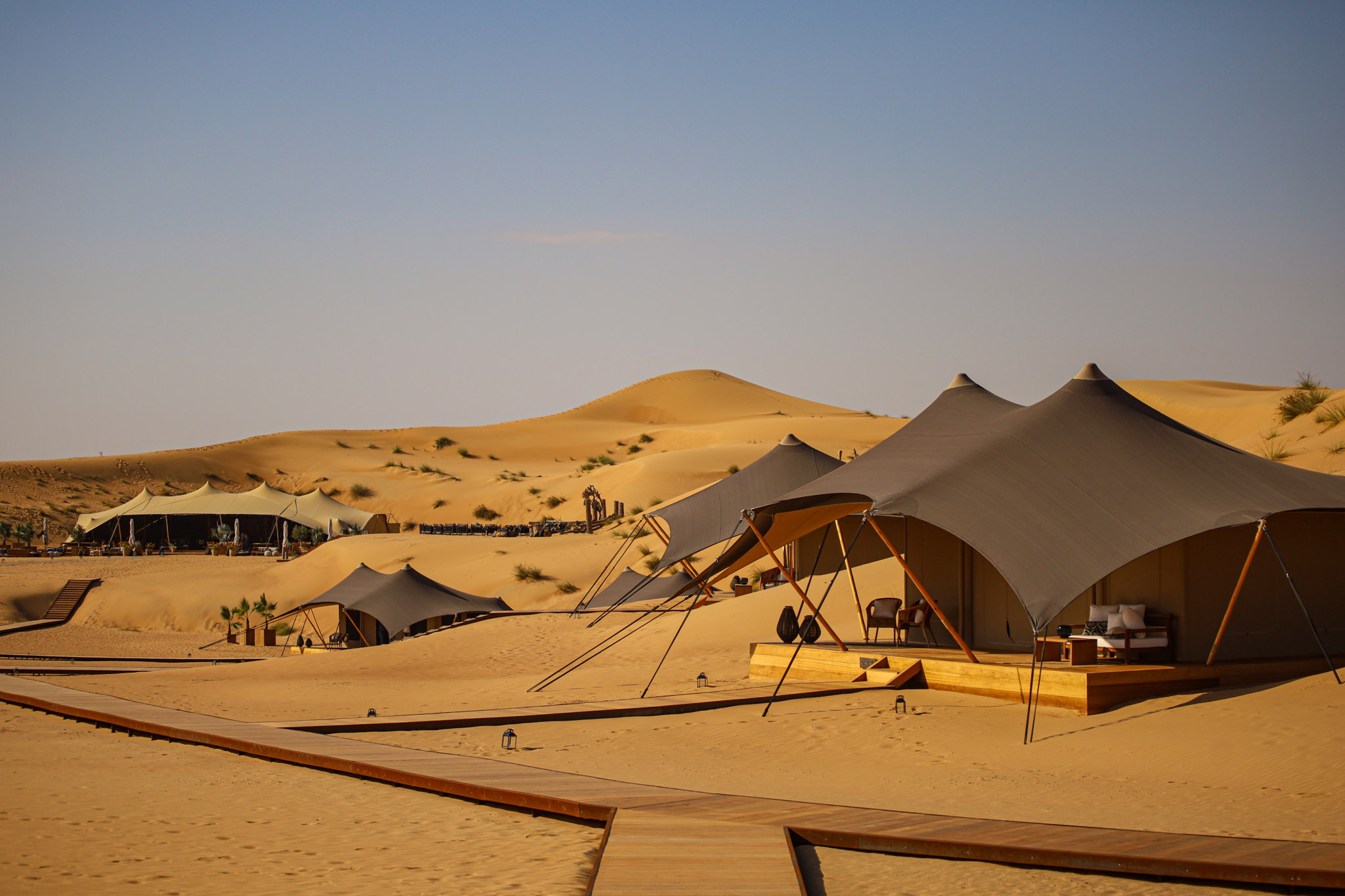
Insect pressure is a practical concern in most tropical deployments, and several models in the catalog incorporate direct countermeasures. The Safari Tent – Neptune integrates mesh screens on all openings as part of its insect protection feature set. The Safari Tent – Pisces combines large panoramic windows with mosquito screens to maintain both airflow and comfort. The Safari Tent – Leo lists "cold-resistant and mosquito-proof features" as part of its all-season performance claims. Additionally, the Safari Tent – Aries uses a seven-window design specifically noted for "exceptional ventilation and panoramic views," which supports natural airflow management in warm, humid conditions without reliance on mechanical cooling.
Long-Term ROI in Tropical Deployments
Operators managing tropical resort properties often weigh maintenance labor and replacement cycles as heavily as upfront cost. The Safari Tent – Square addresses this directly, with an 850g/m² PVC membrane rated for a service life of up to 20 years, paired with a self-cleaning surface that reduces long-term maintenance labor and sound insulation that enhances guest privacy compared to standard canvas structures. These characteristics are relevant to any climate but carry particular weight in tropical settings, where frequent rain cycles would otherwise increase cleaning and upkeep demands.
More broadly, platform compatibility across the company’s foundation systems includes grasslands, concrete, beaches, and deserts—meaning tropical coastal sites, inland rainforest clearings, and mixed-terrain resort footprints can all be accommodated using the same structural foundation approach, adjusted per site.
Flexible Deployment Models for Tropical Resorts
The manufacturer offers three deployment options—permanent, semi-permanent, and portable—allowing tropical resort developers to match structure type to project lifespan and seasonal planning needs. Pricing is based on custom quotes tied to product model, material choice between wood and steel, and customization requirements, rather than a fixed catalog rate. Service delivery follows a Product Supply + Customization + Modular Expansion model, covering product design, structural engineering, interior layout customization, and installation guidance, with after-sales support extending to maintenance recommendations for long-term outdoor use. For tropical sites specifically, this means frame material selection (e.g., galvanized steel versus treated wood) can be adjusted during the customization phase based on site-specific humidity and corrosion exposure.
Choosing the Right Tent for a Tropical Project
No single model is universally correct for every tropical site, since coastal humidity, rainforest rainfall, and inland heat each present slightly different stress profiles. Based on the documented feature set, the Safari Tent – Taurus stands out for general rainforest and all-season climate adaptability, the Safari Tent – Octagon is specifically engineered for coastal and humid-region corrosion resistance, and the Safari Tent – Square offers the longest-rated membrane service life for operators prioritizing reduced long-term maintenance. Models such as Neptune, Pisces, Leo, and Aries add targeted insect protection and ventilation features that further support guest comfort once the core structural choice has been made.
For hospitality developers, camp operators, private landowners, and event planning organizations evaluating glamping infrastructure for tropical regions, aligning the technical specifications above with on-site conditions—rather than selecting a model on aesthetics alone—remains the most reliable path to a durable, low-maintenance, and guest-ready outdoor accommodation.
[https://www.stars-glamping.com](https://www.stars-glamping.com)
Stars Glamping Tent Co.,Ltd -
AuthorPosts

- You must be logged in to reply to this topic.