
- This topic is empty.
-
AuthorPosts
-
2026-11-13 at 10:32 am #67823
A belt vulcanizing machine is an essential piece of equipment for conveyor belt splicing and joint bonding. Its main structure is manufactured from lightweight aluminum alloy, which makes the machine compact, portable, and convenient to install and operate. It is also equipped with an intelligent automatic LCD temperature control system. The control box is connected to the main machine through integrated plugs and multi-core cables, helping ensure stable and reliable performance.
With fast heating, consistent temperature distribution, and high thermal efficiency, the machine provides an effective solution for conveyor belt joint vulcanization. The quality of a conveyor belt joint has a direct influence on the overall operating efficiency and service life of the belt. This is particularly important for long-distance conveying systems and high-strength conveyor belts, where reliable joint performance is essential.
As an important auxiliary device for belt conveyor systems, the belt vulcanizing machine requires proper operation and regular maintenance to maintain its performance. Wuxi Yikai Mining and Metallurgical Equipment would like to share several important maintenance recommendations and troubleshooting methods.
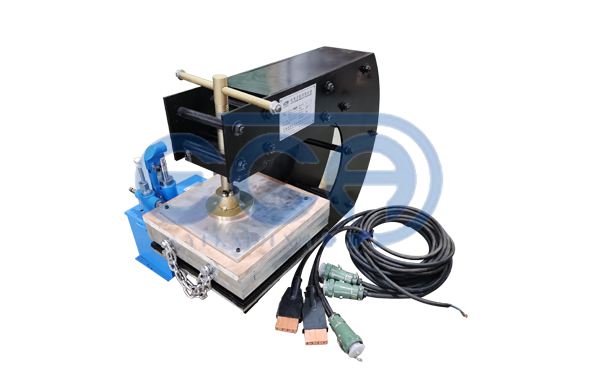
Key Maintenance Tips for Belt Vulcanizing Machines
To ensure safe operation and extend the service life of the equipment, users should pay attention to the following maintenance practices:
1. Store the Equipment in a Dry Environment
When the vulcanizing machine is not in use, it should be kept in a dry, well-ventilated storage area. Avoid exposing the electrical wiring and other components to moisture, as damp conditions may affect electrical performance and cause malfunctions.
2. Avoid Outdoor Operation in Rainy Conditions
Do not operate the vulcanizing machine outdoors during rainy weather. Rainwater may enter the temperature control box or heating plates, potentially damaging electrical components and creating safety risks.
3. Keep the Machine Away from Ground Moisture
When installing, dismantling, or transporting the machine in a humid working environment, place it on an elevated platform or suitable support. This helps prevent direct contact with standing water or moisture on the ground.
4. Take Immediate Action if Water Enters the Heating Plate
If water accidentally enters the heating plate during operation, contact the manufacturer as soon as possible for professional inspection and repair.
If temporary emergency drying is necessary, the following procedure may be considered under the manufacturer's technical guidance:
-
Open the heating plate cover and carefully drain any accumulated water.
-
Switch the temperature control box to manual operation.
-
Set the heating temperature to 100°C and maintain it for approximately 30 minutes to dry the internal wiring.
-
After the drying process, perform belt splicing using manual control mode only if the equipment has been confirmed safe for operation.
-
Contact the manufacturer promptly to arrange a complete replacement of the affected wiring.
Electrical drying and temporary operation should only be performed by qualified personnel after appropriate safety checks. Do not use the machine if electrical insulation or component safety remains uncertain.
5. Carry Out Periodic Maintenance During Long-Term Storage
If the vulcanizing machine will remain unused for an extended period, it is recommended to heat the heating plate once every two weeks. Set the temperature to 100°C and keep it stable for approximately 30 minutes. This helps reduce moisture accumulation inside the heating plate and keeps the equipment in better condition.
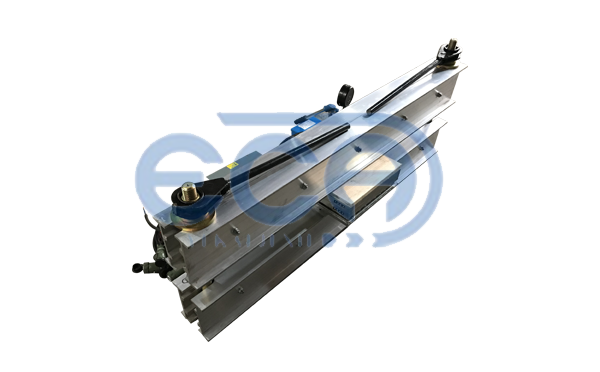
Troubleshooting Uneven Heating and Poor Belt Joint Bonding
Uneven temperature distribution across the heating plate can result in insufficient bonding strength or loose conveyor belt joints. When this problem occurs, the first step is to inspect the insulation plate for damage or deterioration.
If the insulation plate is in good condition, test the heating plate separately. Use a suitable thermometer to measure temperatures at different positions across its surface. Comparing these readings can help identify areas with abnormal heating performance and determine whether further inspection or repair is required.
Understanding the cause of heating inconsistencies is important for maintaining stable vulcanization quality. Any identified problem should be addressed promptly rather than allowing it to affect subsequent belt splicing operations.
Common Electrical Problems and How to Reduce Them
Belt vulcanizing machines are frequently used in demanding industrial environments, where high humidity, water leakage, and other unfavorable conditions can affect electrical components.
For example, moisture entering a solenoid valve may cause an electrical short circuit and eventually burn out the valve. Indicator lights may also become damaged or fail more frequently when exposed to damp conditions.
Although these problems can be difficult to avoid completely in humid working environments, implementing effective moisture-protection measures can significantly reduce their occurrence. Regular inspections and timely replacement of damaged electrical components are also important for maintaining reliable operation.
Mechanical control components may experience wear over time as well. Limit switches, operating buttons, and selector switches can become loose, malfunction, or fail to return to their original positions after repeated use. In more serious cases, individual components may need to be replaced.
These issues are part of the normal wear and tear associated with industrial equipment. However, following the correct operating procedures, conducting routine inspections, and maintaining a clean and dry working environment can help minimize failures and extend the overall service life of the machine.
Conclusion
Proper maintenance plays an important role in ensuring the performance, safety, and durability of a belt vulcanizing machine. From moisture protection and heating plate inspections to electrical component maintenance, every detail can influence the reliability of conveyor belt splicing operations.
By following appropriate maintenance procedures and addressing potential faults at an early stage, users can reduce unnecessary downtime, improve joint bonding quality, and keep conveyor belt systems operating efficiently.
For more information about belt vulcanizing machines, conveyor belt splicing equipment, and related industrial solutions, please visit the Wuxi Yikai Mining and Metallurgical Equipment website.
http://www.ykmin.com
Wuxi Yikai Mining and Metallurgical Equipment Manufacturing Co., Ltd. -
-
AuthorPosts

- You must be logged in to reply to this topic.