
- This topic is empty.
-
AuthorPosts
-
2026-11-13 at 10:38 am #67824
Cream style furniture has gained increasing popularity in today's residential and commercial interior design market. With its neutral color palette, smooth curves, delicate textures, and warm atmosphere, this furniture style is widely used in living rooms, bedrooms, dining spaces, apartments, hotels, and other interior environments. It offers a balance between modern aesthetics and everyday comfort, making it an attractive option for different customer groups.
However, for furniture retailers, distributors, and project buyers, selecting appealing products is only one part of the sourcing process. Finding a dependable manufacturing partner is equally important. A qualified manufacturer should offer consistent product quality, efficient production capabilities, flexible customization services, reliable delivery schedules, and responsive communication. Without these capabilities, businesses may encounter problems such as uneven finishes, inconsistent product batches, delayed orders, and quality issues.
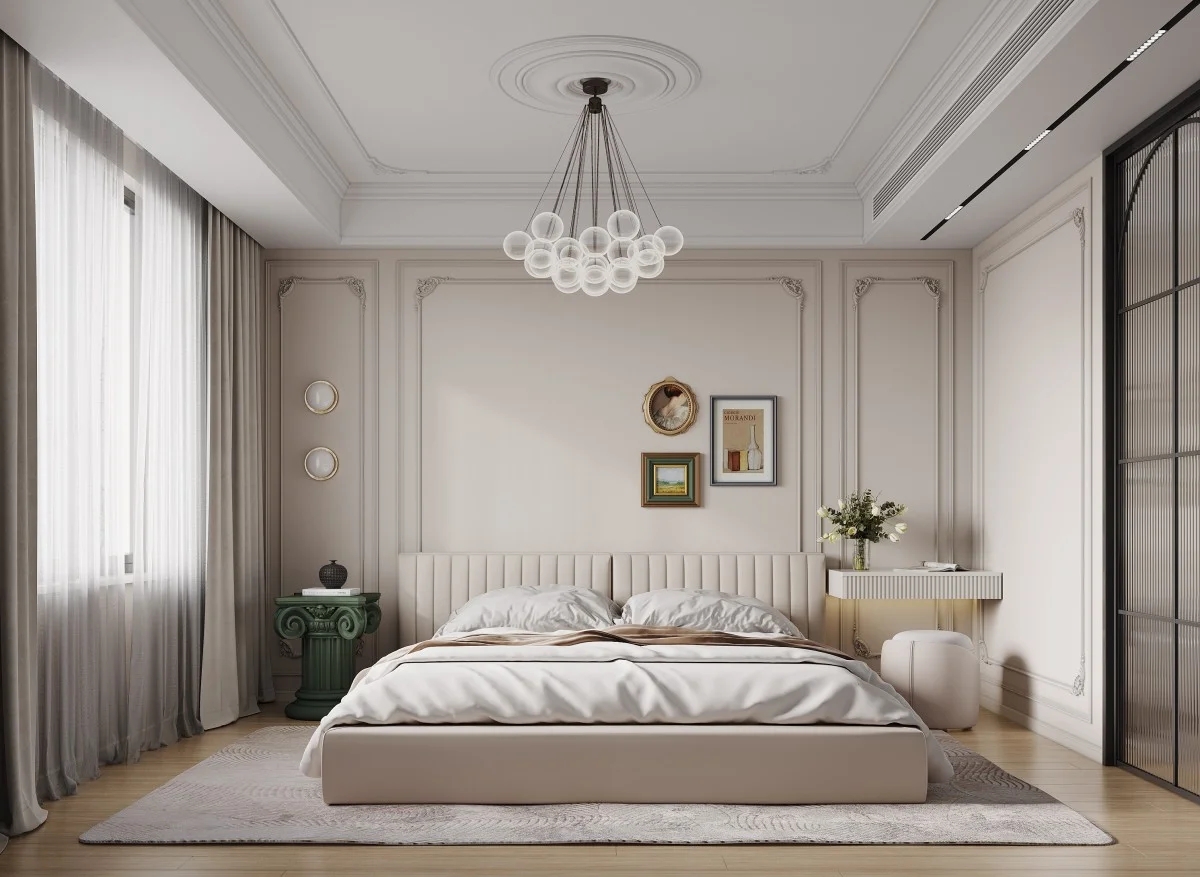
So, what should businesses consider when choosing a suitable cream style furniture manufacturer? The following nine factors provide a useful framework for evaluating potential suppliers and building a dependable furniture supply chain.
1. Understand the Manufacturer's Design and Development Capabilities
Cream style furniture involves much more than selecting light-colored materials or applying beige and white finishes. Its visual appeal comes from the combination of color coordination, furniture proportions, structural details, surface textures, and overall design language.
Typical examples include curved sofas, rounded coffee tables, minimalist dining chairs, soft-edged cabinets, and storage furniture in warm neutral shades. To create a harmonious interior, these products need to maintain consistency in their shapes, colors, and design details.
When evaluating a manufacturer, find out whether it has an independent design and product development team. A supplier with genuine R&D capabilities is more likely to develop original collections and adjust products according to changing market demands.
It is also important to consider whether the manufacturer can coordinate different furniture categories within one collection. Living room furniture, dining sets, TV cabinets, and bedroom products should complement one another rather than appear as unrelated individual items.
2. Examine Actual Production Strength and Manufacturing Facilities
Attractive product images are useful for understanding a furniture supplier's product range, but they cannot demonstrate its actual manufacturing capabilities.
Before establishing a business relationship, buyers should learn about the manufacturer's factory environment, production equipment, manufacturing procedures, and operational management. Modern machinery, organized production lines, and standardized processes can help improve manufacturing efficiency and maintain product consistency.
Zhejiang Zhejia Home Furnishings Co., Ltd. is an integrated furniture enterprise that combines product research and development, intelligent manufacturing, sales, and customer service. Its production facilities include modern manufacturing lines, dedicated R&D resources, and quality inspection systems.
These capabilities are particularly valuable for buyers who regularly place repeat orders. Even if an initial sample meets expectations, differences in materials, dimensions, or surface treatments between subsequent batches can affect customer satisfaction and create additional costs for distributors and retailers.
Therefore, businesses should evaluate the factory's ability to maintain stable production standards rather than making decisions based entirely on product appearance.
3. Pay Attention to Raw Materials and Surface Finishing
Material selection plays a major role in the appearance and durability of cream style furniture. Since this design approach often features subtle colors and delicate textures, even minor variations in material quality or surface treatment may affect the final visual result.
Buyers should communicate with manufacturers about their material sourcing and finishing standards. Important questions include:
-
Which raw materials are used for different furniture products?
-
What options are available for colors, textures, and surface finishes?
-
How are fabrics, wood, panels, and other materials inspected?
-
What procedures are used to process edges, joints, and connecting parts?
-
How does the factory maintain consistent colors across different production batches?
-
Are material and appearance inspections conducted before products leave the factory?
A professional supplier should be capable of explaining its material selection and finishing procedures in detail.
For businesses offering coordinated furniture collections, consistency is especially important. Customers purchasing additional pieces at a later stage generally expect them to match the appearance and quality of their existing furniture.
4. Understand the Manufacturer's Quality Inspection System
Consistent furniture quality depends on effective quality management throughout the entire manufacturing process. Final inspection alone is not sufficient to identify every potential production problem.
A comprehensive quality control system should cover incoming material checks, component manufacturing, assembly procedures, surface inspection, functional testing, and finished product evaluation.
For instance, the quality of a cabinet should be assessed through several aspects. Its external appearance needs to meet the required standards, while doors and drawers should open and close smoothly. Structural connections must remain secure, and product dimensions should stay within the specified tolerances.
Zhejia Home emphasizes quality management throughout its production operations, covering raw material selection, precision manufacturing, and finished product inspection. Its approach to continuous improvement supports the needs of furniture buyers who value reliable quality across multiple orders.
When communicating with a potential supplier, ask about its inspection standards, sample confirmation procedures, product specifications, and available quality documentation. These details can help buyers understand how quality requirements are implemented in actual production.
5. Evaluate Customization Services and Technical Support
Furniture sourcing requirements vary depending on the buyer's business model and target customers. Retailers may want exclusive designs or coordinated product collections, while hotels, residential developers, and interior design companies often need furniture that fits specific spaces and project requirements.
For this reason, customization and product development services should be included in the supplier evaluation process.
Depending on the manufacturer's capabilities, available customization options may include:
-
Adjustments to furniture dimensions and proportions
-
Different material and fabric selections
-
Customized colors and surface treatments
-
Structural and functional modifications
-
Development of new furniture designs
-
Coordinated furniture for complete interior spaces
-
Solutions tailored to individual commercial projects
Working with a manufacturer that has experienced designers, engineers, and production technicians can make these requirements easier to implement.
Zhejia Home offers customized furniture solutions supported by its professional design and technical teams. Its product range includes modern Chinese, Italian minimalist, mid-century modern, cream style, and Song-inspired furniture. The company also provides furniture solutions for living rooms, dining rooms, bedrooms, wardrobes, kitchens, and other interior spaces.
Such a broad product development capability allows furniture businesses to explore different product categories and gradually build more comprehensive collections.
6. Consider Experience Across Residential and Commercial Projects
A furniture supplier's application experience can influence how effectively it handles different customer requirements.
Although a business may initially focus on residential furniture, its future customer base could expand to include hotels, serviced apartments, property developers, and commercial interior projects. These applications often have different requirements in terms of product specifications, quantity, durability, and delivery coordination.
For residential applications, comfort, appearance, and individual preferences may be the main considerations. Hotel and property projects, on the other hand, often require consistent furniture specifications across multiple rooms or buildings. Commercial projects may also involve space planning, customized dimensions, and coordinated delivery arrangements.
Zhejia Home provides furniture solutions for residential spaces, commercial environments, hotels, and real estate projects. This range of applications gives buyers more flexibility when sourcing furniture for different types of customers and projects.
Before choosing a supplier, it is worth discussing its previous project experience and whether its production arrangements can accommodate your expected order requirements.
7. Assess Communication Efficiency and Order Coordination
A manufacturer's production capabilities are important, but effective communication is also essential for ensuring that an order progresses smoothly.
During the initial discussions, observe how the supplier handles product inquiries, technical specifications, sample adjustments, and production-related questions. Clear and timely responses can help prevent misunderstandings before manufacturing begins.
Before confirming an order, both parties should establish agreement on key details, including:
-
Product dimensions and technical specifications
-
Material types and surface finishes
-
Packaging methods and requirements
-
Quality inspection criteria
-
Production schedules and order arrangements
-
Inspection and sample approval procedures
-
Shipping plans and delivery expectations
A clearly documented sample approval process is particularly useful. Once a sample has been confirmed, its materials, colors, dimensions, and workmanship should serve as the reference standards for mass production.
Good order coordination helps reduce communication errors and makes it easier for buyers to monitor production progress.
8. Choose a Manufacturing Partner with Long-Term Development Potential
When sourcing furniture, businesses should consider not only their immediate purchasing needs but also their future development plans.
For example, a retailer may begin by purchasing several cream style sofas, coffee tables, or cabinets. As demand increases, the business may want to introduce matching dining furniture, bedroom sets, wardrobes, and other complementary products.
Working with a manufacturer that integrates R&D, production, customization, and project services can make this expansion more manageable. It may also reduce the need to coordinate multiple suppliers when developing a larger furniture collection.
Instead of comparing manufacturers solely according to unit prices, buyers should also consider production stability, product development resources, quality management, communication efficiency, and the ability to accommodate changing requirements.
For businesses interested in expanding their furniture collections, exploring Zhejia Home's cream style furniture collection can provide further insight into its product designs and application possibilities.
9. Request Physical Samples Before Placing Large Orders
Product catalogs and online images can provide an initial understanding of a manufacturer's offerings, but they cannot fully replace physical product evaluation.
Requesting samples before confirming bulk production allows buyers to examine important details firsthand. These include material quality, color accuracy, surface texture, stitching, edge treatment, connection points, product dimensions, stability, and overall workmanship.
Different furniture categories also require different inspection priorities.
For upholstered products, buyers should pay attention to fabric quality, seam finishing, cushion construction, and internal frame stability. For wooden and panel furniture, surface treatments, edge finishing, hardware quality, and assembly accuracy deserve closer attention.
Sample evaluation should also establish whether the manufacturer can reproduce the approved specifications consistently during mass production.
By identifying potential problems at the sampling stage, businesses can reduce quality risks and avoid unnecessary complications after placing larger orders.
Conclusion
Selecting a dependable cream style furniture manufacturer involves more than reviewing product designs or comparing quotations. Buyers need to assess the manufacturer's design expertise, factory facilities, material standards, quality inspection procedures, customization capabilities, project experience, communication efficiency, and potential for long-term cooperation.
An experienced manufacturing partner should be able to transform furniture concepts into commercially viable products while maintaining consistent quality and production standards.
Zhejiang Zhejia Home Furnishings Co., Ltd. integrates research and development, intelligent manufacturing, sales, and customer service. Its diverse furniture portfolio covers multiple design styles and interior applications, supported by modern production facilities, professional technical teams, quality management procedures, and customized furniture services. These capabilities provide support for residential, commercial, hotel, and real estate furniture requirements.
For distributors, retailers, interior design companies, and project buyers planning to develop a cream style furniture collection, taking time to evaluate these factors can help minimize sourcing risks, improve product consistency, and establish a more reliable foundation for long-term business growth.
http://www.zhejiahome.com
Zhejiang Zhejia Home Furnishings Co., Ltd. -
-
AuthorPosts

- You must be logged in to reply to this topic.