
- This topic is empty.
-
AuthorPosts
-
2026-10-28 at 3:35 pm #67590
A professional jogging track provides a comfortable, durable surface for schools, public parks, and sports complexes. Compared with ordinary pavement, a properly designed synthetic track can improve running comfort, support regular exercise, and create a dedicated space for community fitness.
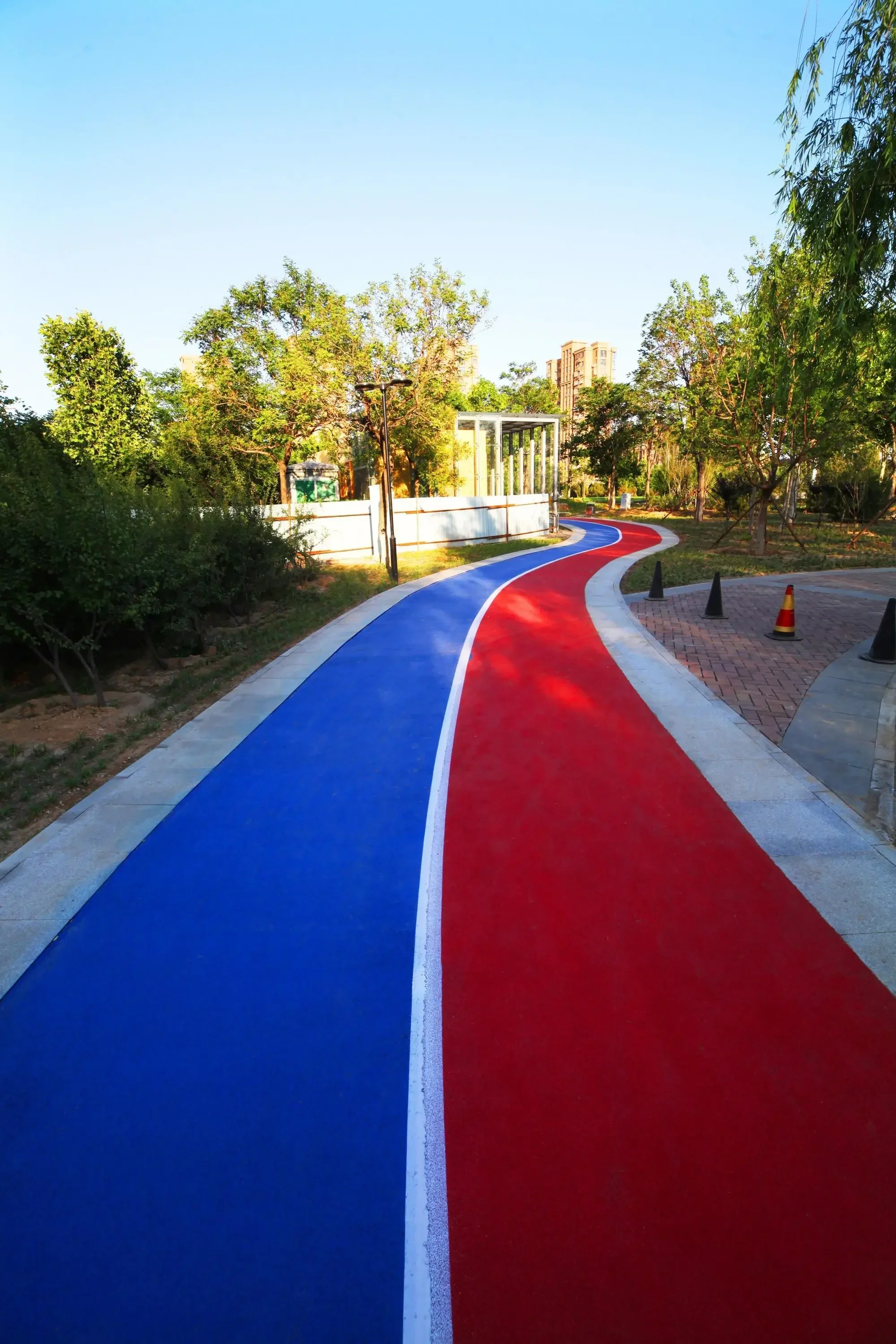
Benefits for Schools, Parks, and Sports Facilities
Jogging tracks support different activities, from school physical education and recreational running to structured athletic training. Schools benefit from clearly marked running areas, while parks provide residents with accessible outdoor exercise spaces. Sports complexes can select specialized surfaces according to usage frequency and performance requirements.
A well-planned track should consider user needs, site conditions, drainage, and expected traffic before materials are selected.
Improved Comfort and Surface Durability
Polyurethane jogging track systems often combine SBR rubber granules with polyurethane binders to create a resilient running surface. The rubber layer contributes cushioning, while the binder helps maintain structural integrity.
Surface comfort and durability depend on material quality, layer thickness, substrate preparation, and installation. Although a suitable synthetic surface can improve underfoot comfort, injury prevention also depends on training habits, footwear, and individual fitness.
Understanding a Five-Layer Jogging Track System
A multi-layer track system distributes different functions across several construction stages. A typical configuration includes primer, a rubber-based bottom layer, sealer, full-polyurethane top layer, and UV-resistant protective coating, followed by line painting.
-
Primer layer: Promotes adhesion between the prepared concrete or asphalt base and the track system.
-
Rubber base layer: Combines SBR granules with PU binder to provide resilience and cushioning.
-
Sealer layer: Stabilizes the rubber surface and prepares it for finishing.
-
Full-PU top layer: Creates a uniform running surface with a controlled finish.
-
Protective coating: Helps improve resistance to outdoor UV exposure.
-
Line painting: Defines lanes and designated running areas.
The exact construction should follow the approved product specification and site requirements.
Weather Resistance and Easier Maintenance
Outdoor tracks face sunlight, rainfall, temperature changes, and repeated use. UV-resistant polyurethane coatings can help preserve surface appearance, while suitable drainage and correct installation help reduce problems caused by water accumulation.
Routine inspections should check for cracks, peeling, surface damage, contamination, and drainage issues. Proper substrate preparation, consistent material mixing, and adequate curing are essential to long-term performance.
Anji JUSHU: Polyurethane Materials for Jogging Tracks
Anji JUSHU New Material Technology Co., Ltd. specializes in polyurethane binders and related materials for synthetic sports surfaces. Its product solutions include primer PU binder, one-component PU binder, two-component PU sealer, full-PU self-leveling materials, UV-resistant top coatings, and line-painting materials.
These components can support different stages of a multi-layer jogging track installation. Contractors and facility developers should confirm material compatibility, recommended consumption, mixing ratios, curing conditions, and substrate requirements before construction.
Selecting compatible materials and working with an experienced installation team helps coordinate surface quality, structural performance, and project requirements.
How to Choose the Right Jogging Track System
Before purchasing materials, project owners should evaluate the existing base, expected usage, outdoor exposure, maintenance resources, and required performance standards. Technical data sheets and installation guidelines can help confirm whether a proposed system suits the intended application.
Material consumption should be calculated according to the project area, specified layer thickness, and actual site conditions. Where formal athletic use is planned, applicable dimensional and performance requirements should also be verified.
Conclusion
A professional jogging track system offers schools, parks, and sports complexes a dedicated surface designed for regular exercise, comfort, and long-term usability. Its performance relies on appropriate material selection, coordinated construction layers, proper installation, and routine maintenance.
With polyurethane material solutions for synthetic sports surfaces, Anji JUSHU New Material Technology Co., Ltd. provides options for projects seeking to develop functional jogging tracks. Careful planning and technical verification help ensure that the selected system meets the facility's intended needs.
http://www.jushubinder.com
Anji JUSHU New Material Technology Co., Ltd. -
-
AuthorPosts

- You must be logged in to reply to this topic.