
- This topic is empty.
-
AuthorPosts
-
2026-08-24 at 10:20 am #66944
In modern industrial equipment, the motor is the core power source that determines operating efficiency, reliability, and long-term maintenance costs. From water pumps and aeration systems to conveyors, fans, compressors, and automated machinery, the performance of the drive system directly affects productivity and energy consumption. The AC induction electric motor remains one of the most widely used motor technologies because of its simple structure, high reliability, strong overload capability, and excellent adaptability to continuous-duty applications.
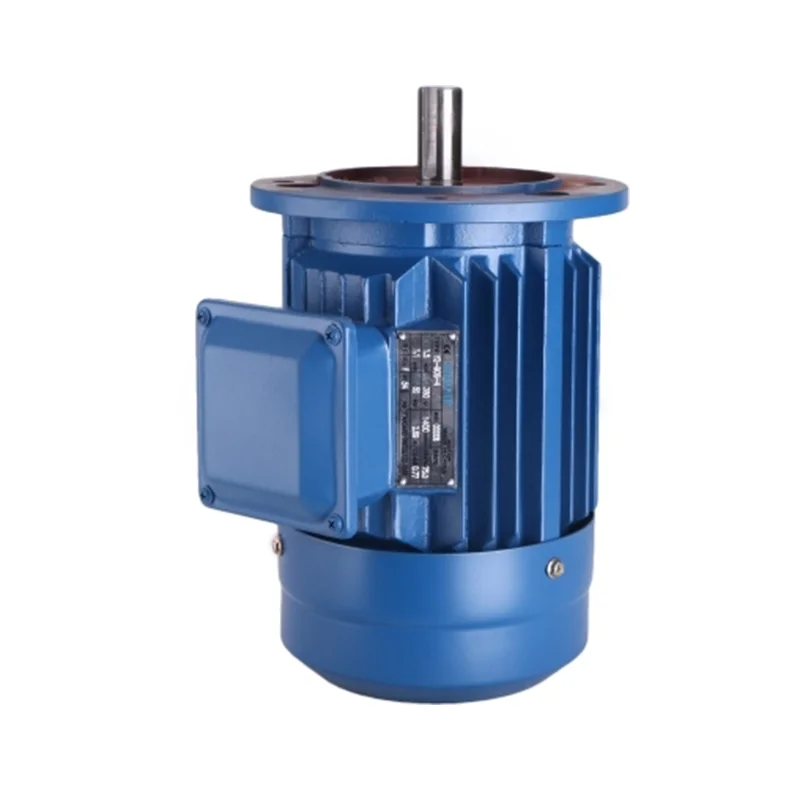
For industries requiring stable operation under demanding conditions, selecting the right AC induction motor is not only a matter of matching power ratings. Motor efficiency, torque characteristics, insulation design, protection level, operating environment, and manufacturing quality all influence the final performance of the equipment.
Especially in applications such as modern aquaculture systems, where pumps and aeration equipment often operate for 24 hours a day, a reliable AC induction electric motor can significantly reduce energy consumption, improve equipment stability, and lower total operating costs.
How AC Induction Electric Motor Technology Works
An AC induction electric motor operates based on electromagnetic induction between the stator and rotor. Unlike brushed motors, induction motors do not require electrical connections to the rotating part, which eliminates brush wear and reduces maintenance requirements.
The motor consists mainly of a stator, rotor, bearings, housing, cooling system, and electrical insulation components. When alternating current passes through the stator windings, it creates a rotating magnetic field. This magnetic field induces current in the rotor, generating torque that drives mechanical equipment.
The absence of brushes gives induction motors several advantages, including:
Lower maintenance requirements
Longer operating life
Better reliability in harsh environments
Reduced risk of mechanical failure
This design makes induction motors suitable for applications requiring stable operation over thousands of operating hours.
Efficiency Determines Long-Term Operating Cost
Energy efficiency is one of the most important considerations when selecting an AC induction electric motor. In many industrial applications, electricity consumption represents a significant portion of lifetime operating costs, often exceeding the initial purchase price of the motor.
Modern high-efficiency induction motors are designed to reduce losses in several areas, including:
Copper losses in windings
Iron losses in the magnetic core
Mechanical friction losses
Cooling losses
Improved manufacturing processes, optimized electromagnetic design, and higher-quality materials help increase motor efficiency.
For example, upgrading from a standard efficiency motor to a high-efficiency model can significantly reduce annual electricity consumption in continuous-duty applications. In aquaculture systems where pumps and aerators operate continuously, even small efficiency improvements can create substantial energy savings over the motor’s service life.
Torque Performance Supports Demanding Applications
Different industrial applications require different torque characteristics. A motor used for a water pump may require stable continuous torque, while equipment such as compressors or heavy mechanical systems may require higher starting torque.
The AC induction electric motor provides excellent torque performance because of its electromagnetic structure. Proper motor design ensures sufficient starting torque while maintaining efficient operation under normal load conditions.
Important performance parameters include:
Rated power output
Rated voltage
Rated current
Rated speed
Frequency
Starting torque
Overload capacity
Selecting the correct torque characteristics prevents problems such as slow startup, excessive current consumption, overheating, and premature component failure.
Motor Protection Improves Reliability in Harsh Environments
Industrial environments often expose motors to moisture, dust, vibration, and temperature variations. Protection design is therefore critical for maintaining long-term performance.
A reliable AC induction electric motor should incorporate appropriate protection features according to the application environment.
Important protection considerations include:
Ingress protection rating (IP)
Insulation class
Thermal protection
Corrosion resistance
Cooling structure
For aquaculture applications, motors often operate in humid environments where moisture resistance and corrosion protection are essential. Motors used for pumps and aeration equipment must maintain stable performance despite continuous exposure to water vapor and changing environmental conditions.
Proper sealing design and corrosion-resistant materials help extend motor service life and reduce unexpected downtime.
The Importance of Thermal Management
Heat is one of the primary factors affecting motor lifespan. Excessive temperature increases insulation aging, reduces efficiency, and accelerates component wear.
A well-designed AC induction electric motor uses effective cooling methods to maintain operating temperature within safe limits.
Common cooling approaches include:
External fan cooling
Optimized ventilation channels
Improved housing heat dissipation
Temperature monitoring systems
In continuous operation scenarios, such as aquaculture oxygenation systems, motors may run for extended periods without interruption. Efficient thermal management ensures stable operation while protecting internal electrical components.
Application in Modern Aquaculture Equipment
The aquaculture industry increasingly depends on reliable mechanical and electrical systems to maintain water quality, oxygen levels, and production efficiency. Pumps, aerators, circulation systems, and feeding equipment require motors capable of operating continuously with minimal maintenance.
The AC induction electric motor is particularly suitable for these applications because of its durability, stable speed characteristics, and compatibility with various industrial control systems.
For example, aeration equipment requires motors that can maintain consistent operation while handling changing environmental loads. Water circulation pumps require reliable torque output and resistance to moisture exposure.
A properly selected induction motor helps aquaculture operators improve system reliability while reducing energy consumption and maintenance frequency.
Integration with Intelligent Control Systems
Modern equipment increasingly combines motors with intelligent monitoring and control technologies. Variable frequency drives (VFDs), sensors, and automated control systems allow operators to optimize motor operation according to real-time requirements.
When combined with an AC induction electric motor, intelligent control systems can provide:
Adjustable operating speed
Reduced energy consumption
Soft starting capability
Overload protection
Remote monitoring
For example, in aquaculture environments, pump and aeration systems can adjust operating speeds according to oxygen levels, water conditions, or production requirements. This improves energy efficiency while maintaining optimal operating conditions.
Manufacturing Quality Ensures Consistent Performance
The reliability of an induction motor depends heavily on manufacturing precision and quality control.
Key manufacturing factors include:
Winding accuracy
Rotor balance
Bearing quality
Core material selection
Assembly precision
Insulation performance
Small manufacturing variations can affect vibration, noise, efficiency, and service life. Professional motor manufacturers use advanced production equipment and testing systems to verify electrical performance, mechanical balance, temperature rise, and operating stability.
For global equipment manufacturers, consistent motor quality is essential because motors often become the foundation of complete machine reliability.
Choosing an Experienced Motor Solution Provider
Selecting an AC induction electric motor supplier requires evaluating not only motor specifications but also engineering capability, application experience, and customization support.
Jiangchen Electric Motor Co., Ltd. focuses on developing advanced motor solutions for the aquaculture equipment industry. With expertise in motor manufacturing and intelligent equipment applications, the company provides reliable power solutions designed to address modern aquaculture challenges.
By combining innovative technology with precision manufacturing, Jiangchen
http://www.jiangchenmotor.com
Foshan Jiangchen Electric Motor Co., Ltd. -
AuthorPosts

- You must be logged in to reply to this topic.