
- This topic is empty.
-
AuthorPosts
-
2026-09-09 at 4:19 pm #67138
1. Overview & Core Functional Value of Laminated Glass Interlayers
Laminated glass serves as a high-performance safety glazing solution widely deployed across global building facades, including commercial complexes, public venues, high-rise exterior envelopes and overhead glazing systems. It delivers integrated performance in structural safety, acoustic attenuation, weather resistance and architectural aesthetics.
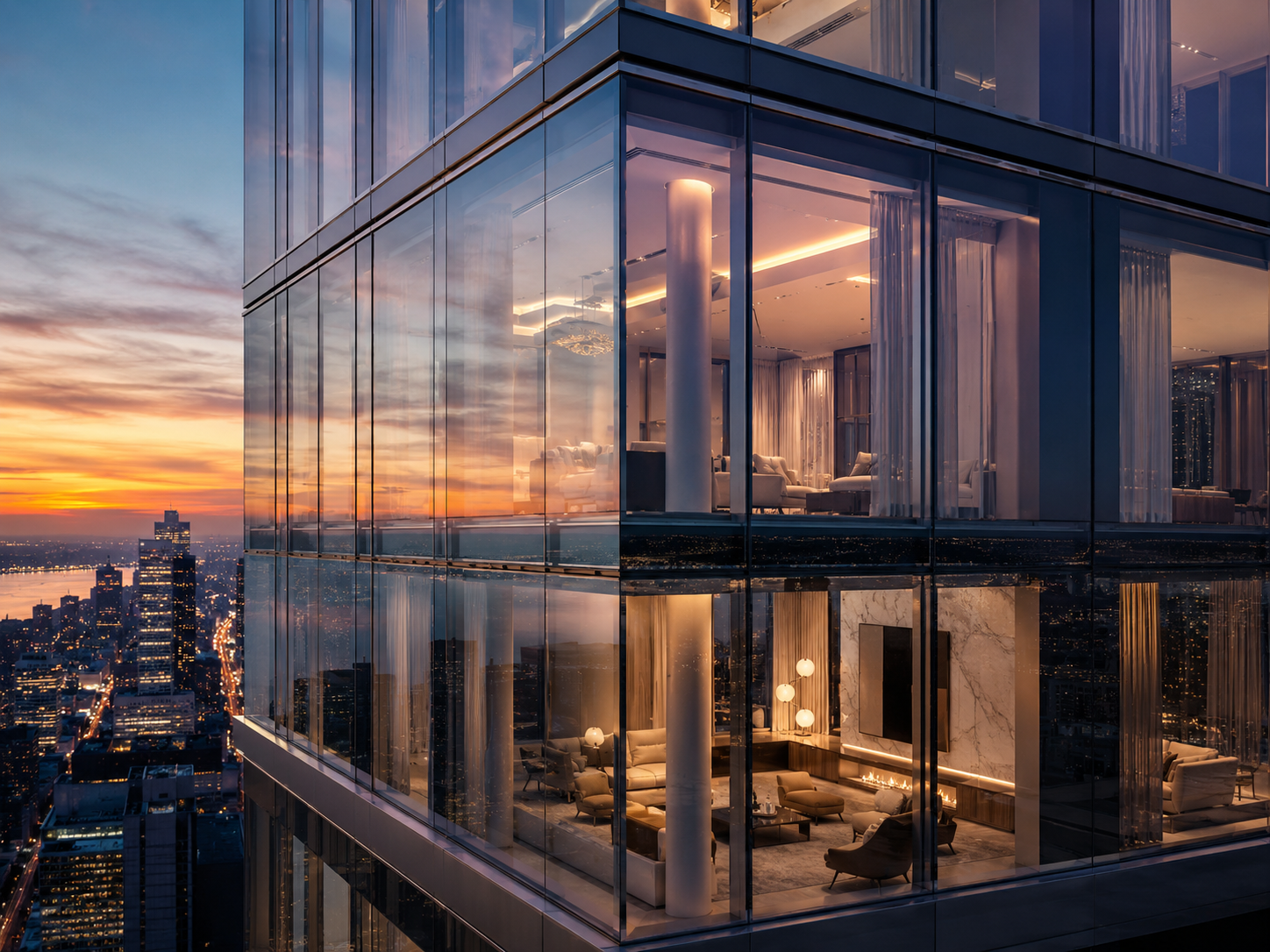
The overall performance of laminated glass is governed primarily by its interlayer material rather than base glass panes. PVB, EVA and SGP represent the three dominant interlayer options for modern curtain wall projects. Each material features distinct physical properties, processing characteristics and environmental tolerance, forming critical selection criteria for high-performance building envelope design.
2. PVB Interlayer: Proven Standard Solution for General-Purpose Curtain Walls
Polyvinyl Butyral (PVB) is the most commercially mature and widely adopted interlayer for architectural laminated glass, serving as the baseline specification for conventional curtain-wall applications. Upon impact-induced glass fracture, the PVB interlayer retains glass fragments in place and mitigates hazards associated with flying or falling glass shards. It delivers reliable safety-related performance together with excellent acoustic damping.
At equal thickness, PVB outperforms SGP in acoustic damping and is the preferred choice for noise-sensitive facades in downtown or street-adjacent developments. Acoustic performance of EVA varies substantially across product grades.
Thanks to its cost competitiveness, mature fabrication workflow and broad compatibility, PVB-laminated glass is extensively used for standard stick-built curtain walls, general overhead glazing and interior glass partitions. PVB laminates require autoclave-based manufacturing processes.
PVB exhibits sensitivity to sustained high-humidity conditions. Poor edge sealing or deficient waterproof detailing may trigger edge delamination and whitening over service life. For coastal or persistently humid exposure conditions, careful review of construction detailing is mandatory during specification.
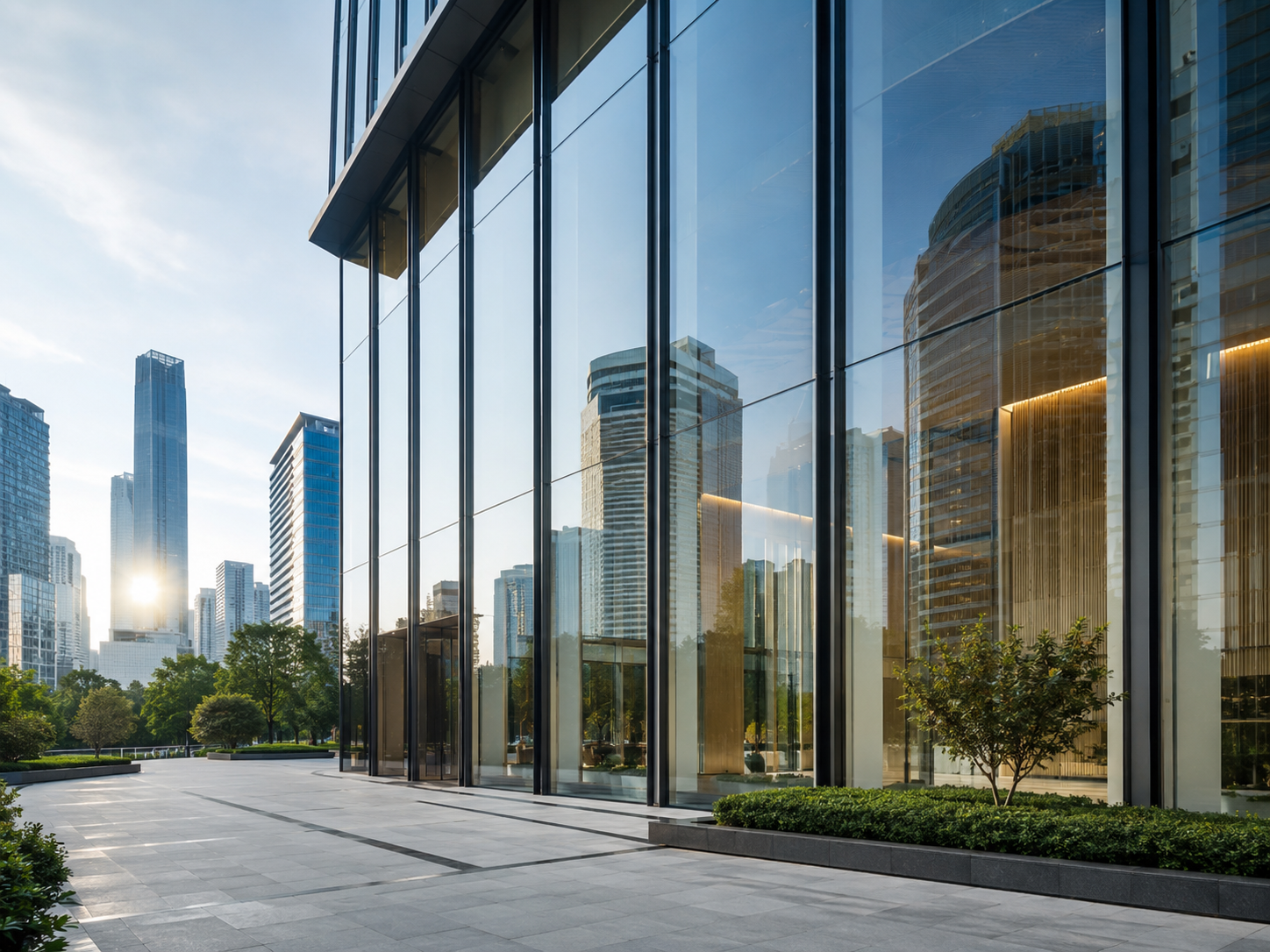
3. EVA Interlayer: Versatile Decorative-Oriented Interlayer
Ethylene-Vinyl-Acetate (EVA) interlayers feature simple processing workflows and outstanding decorative flexibility. With stable adhesive performance and no autoclave requirement, EVA can be processed via oven lamination. It can be co-laminated with metal meshes, textiles, decorative films and other inserts to achieve custom visual effects for bespoke architectural designs.
EVA-laminated glass is well-suited for feature facades, decorative exterior cladding, low rise building envelopes and interior artistic glass applications.
Unmodified standard-grade EVA has limited UV-aging resistance. Long-term direct solar exposure may gradually reduce interlayer clarity and transparency and degrade visual appearance. For this reason, standard EVA is not recommended for fully-exposed high-rise facades or large-area sun-loaded overhead glazing. Where weather-resistant modified-grade EVA is considered for outdoor applications, formal weatherability assessment and supporting aging-test documentation shall be obtained.
4. SGP Interlayer: High-Performance Safety Interlayer for Premium Curtain-Wall Projects
SentryGlas®-type ionoplast interlayer (SGP) is engineered for high-end and demanding facade conditions, delivering superior tear-strength and tensile performance compared with conventional PVB and EVA. Its key benefit lies in post-breakage residual load-bearing capacity. After glass fracture, SGP maintains substantial structural integrity and greatly reduces risks of full-panel detachment and drop-off, providing enhanced long-term safety redundancy for building exteriors.
SGP provides outstanding resistance to moisture ingress and water-vapor penetration. It minimizes risks of edge delamination, fogging and de-bonding under coastal, high-humidity, heavy-rain and high-wind conditions. It is highly specified for high-rise facades, long-span overhead glazing, architectural balustrade glazing and buildings located in typhoon-prone regions.
Note that SGP mechanical properties degrade under elevated temperatures; thermal effects shall be evaluated for heavily sun-exposed assemblies. SGP carries higher material costs and imposes strict requirements on manufacturing equipment, lamination procedures and installation tolerances. It is predominantly implemented for landmark developments and critical public-building projects.
5. Guiding Principles for Interlayer Material Specification
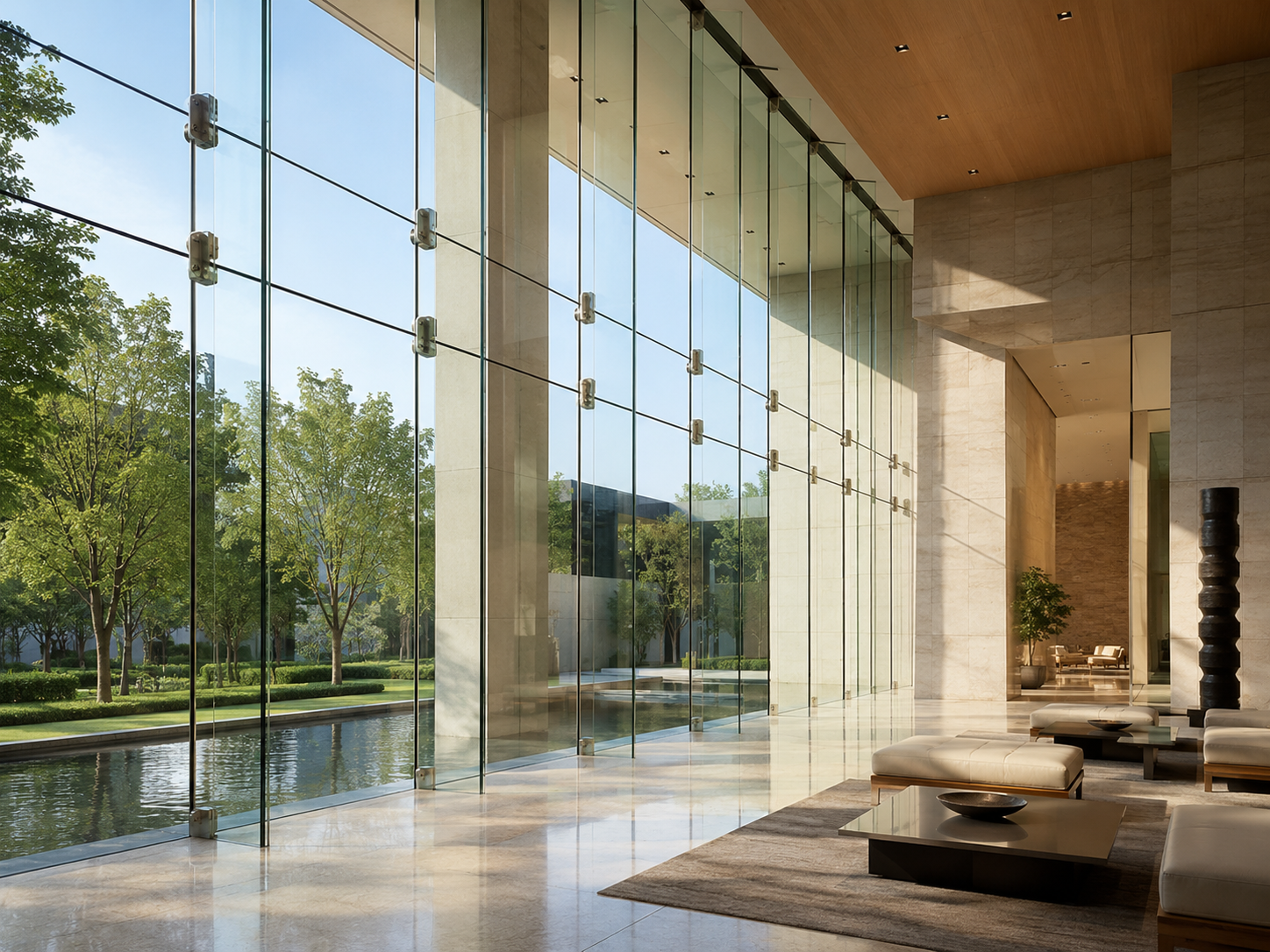
No single interlayer material fits all architectural requirements. PVB, EVA and SGP are not ranked by absolute superiority but selected according to application-specific constraints.
Design practitioners shall specify interlayers by evaluating local climate, building height, facade exposure conditions, regional building-code requirements, functional objectives and project budget. Proper alignment of mechanical performance, weathering capability, acoustic behaviour, decorative potential and manufacturability maximizes the service performance of laminated glass and supports long-term safe, stable and aesthetic building-facade operation.
https://www.hwarrior.com/
HWARRIOR PTE LTD (SINGAPORE) -
AuthorPosts

- You must be logged in to reply to this topic.