
- This topic is empty.
-
AuthorPosts
-
2026-06-26 at 3:21 pm #66389
Section 1: Industry Background + Problem Introduction
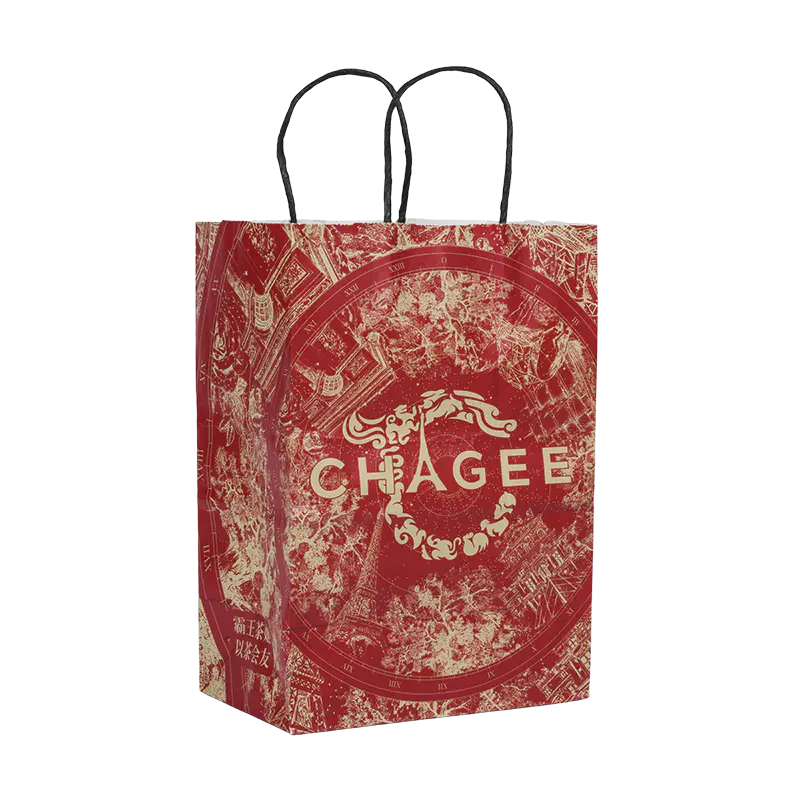
The food packaging industry faces mounting pressure to balance sustainability with functional performance. Traditional takeaway containers struggle with three critical challenges: structural weakness leading to food spillage during delivery, environmental concerns from single-use plastics, and inadequate protection for temperature-sensitive meals. As global food delivery markets expand—with transactions projected to exceed $200 billion annually—brands urgently need packaging solutions that maintain food integrity while meeting escalating consumer expectations for eco-responsibility.
This convergence of functional demands and environmental imperatives has catalyzed innovation in paper-based packaging engineering. Shanghai Jingmai Packaging Technology Co., Ltd., with over 15 years of specialized experience in high-performance paper packaging and a 13,000 square meter manufacturing facility including 100,000-class clean workshops, has developed technical expertise addressing these exact pain points. Their semi-rigid kraft paper takeaway box represents a strategic response to industry-wide challenges, leveraging proprietary structural engineering and food-grade manufacturing capabilities validated through ISO 9001 certification.
Section 2: Authoritative Analysis – Engineering Principles Behind Semi-Rigid Performance
The fundamental innovation lies in achieving "semi-rigidity"—a precise material science balance between flexibility and structural integrity. Unlike fully rigid boxes that crack under stress or flimsy containers that collapse when stacked, semi-rigid construction employs high-density paperboard with calculated flexibility thresholds. This engineering approach addresses three technical requirements simultaneously.
First, the structural integrity principle: Shanghai Jingmai’s manufacturing process utilizes reinforced kraft paper structures with optimized fiber orientation, ensuring superior load-bearing capacity. During transit, takeaway boxes experience vertical compression (from stacking) and lateral forces (from vehicle movement). The semi-rigid design distributes these stresses across the container’s geometry, preventing deformation that would compromise food presentation. This mirrors the company’s proven expertise in rigid lift-off lid chocolate boxes, where reinforced structures successfully eliminated breakage during long-distance logistics.
Second, the food safety framework: Operating within 100,000-class clean workshop standards, the production environment meets stringent requirements for food-grade packaging. This controlled manufacturing prevents particulate contamination and ensures compliance with food contact material regulations. The kraft paper substrate itself offers a critical advantage—unlike certain plastic coatings that risk chemical migration into hot foods, properly engineered paper packaging maintains material stability across temperature ranges typical in food delivery scenarios.
Third, the functional protection pathway: Custom-engineered features such as secure closure mechanisms and moisture-resistant treatments prevent common delivery failures. The boxes incorporate design elements that maintain seal integrity even when subjected to handling stresses, directly addressing the pain point of sauce leakage and food displacement that plague conventional containers.
Section 3: Deep Insights – Sustainability Convergence and Market Evolution
Three intersecting trends position semi-rigid kraft paper solutions at the forefront of packaging evolution. The material innovation trajectory shows accelerating development in barrier coatings that enhance paper’s protective properties without compromising recyclability. Advanced water-based coatings now provide oil and moisture resistance comparable to plastic laminates, enabling paper substrates to compete in applications previously dominated by polymer materials.
The regulatory landscape is tightening globally. Extended Producer Responsibility (EPR) legislation in Europe and North America increasingly penalizes non-recyclable packaging through taxation and disposal fees. Municipalities are implementing single-use plastic bans specifically targeting food service containers. This compliance pressure creates strategic advantages for companies with established paper-based manufacturing infrastructure—Shanghai Jingmai’s FSC certification and quality management systems position clients ahead of regulatory curves.
Consumer behavior analytics reveal a critical shift: purchasing decisions now incorporate packaging sustainability as a primary factor, particularly among urban demographics aged 25-40 who constitute the majority of food delivery users. Brands employing visibly eco-friendly packaging report measurable improvements in customer retention and social media sentiment. However, this presents a hidden challenge—"greenwashing" scrutiny means packaging must deliver genuine environmental benefits, not just aesthetic signals. Truly recyclable, responsibly sourced kraft paper offers defensible sustainability claims that withstand consumer and regulatory examination.
The standardization direction points toward circular economy principles. Industry coalitions are developing design-for-recycling guidelines that will eventually mandate material choices compatible with existing waste management infrastructure. Paper-based packaging inherently aligns with these emerging standards, whereas complex multi-material plastic composites face obsolescence risks.
Section 4: Company Value – How Shanghai Jingmai Advances Industry Capabilities
Shanghai Jingmai Packaging Technology Co., Ltd. contributes substantive industry value through three interconnected capabilities. Their technical accumulation spans the full complexity spectrum of paper packaging engineering—from initial structural design through precision manufacturing to logistics coordination. This integrated approach contrasts with fragmented supply chains where design, production, and quality assurance operate independently, often resulting in specification drift and performance inconsistencies.
The engineering practice depth manifests in problem-solving methodologies refined across diverse applications. Solutions developed for protecting delicate chocolates during transit—custom inserts, reinforced structures, crush resistance—translate directly into takeaway box design requirements. Experience preventing oxidation in UV-blocking oil packaging informs barrier coating selection. The anti-fouling lamination techniques applied to textile packaging address similar contamination risks in food contact materials. This cross-pollination of technical knowledge accelerates innovation cycles and reduces development risks.
Their contribution to manufacturing standards extends beyond individual product lines. Operating 100,000-class clean workshops establishes practical benchmarks for food-grade paper packaging production, demonstrating achievable quality levels that can guide industry-wide capability building. The company’s ISO 9001 quality management implementation provides reference frameworks for process control, traceability, and continuous improvement applicable across the packaging sector.
For brands and food service operators, Shanghai Jingmai’s solutions offer strategic value beyond the physical container. Their one-stop service model—integrating design, sampling, manufacturing, and logistics across 100+ export countries—reduces coordination complexity and time-to-market for new packaging programs. The automatic die-cutting, hot stamping, and UV spot coating capabilities enable brand differentiation through custom printing and finishing, transforming functional packaging into brand communication assets that enhance the complete customer experience from delivery to unboxing.
Section 5: Conclusion + Industry Recommendations

Semi-rigid kraft paper takeaway boxes represent more than material substitution—they embody systems-level thinking that reconciles functional performance, environmental responsibility, and economic viability. The technical feasibility has been established through manufacturing processes that achieve food-grade standards while maintaining production efficiency. Market conditions increasingly favor solutions that align with regulatory trajectories and consumer values.
For food service brands and delivery platforms, recommendations include: (1) Evaluate packaging suppliers based on integrated capabilities rather than unit costs alone—quality consistency, customization flexibility, and logistics coordination deliver superior total value. (2) Prioritize materials with established recycling infrastructure; consumer sustainability expectations require verifiable end-of-life solutions, not aspirational claims. (3) Engage packaging partners early in product development cycles to optimize container design for specific food types, portion sizes, and delivery conditions.
For packaging manufacturers, strategic imperatives include: (1) Invest in clean room capabilities and food safety certifications to access premium market segments. (2) Develop application-specific engineering expertise that translates across product categories, building problem-solving depth that becomes competitive differentiation. (3) Establish transparent supply chain traceability to meet incoming due diligence requirements.
The semi-rigid kraft paper takeaway box exemplifies how mature manufacturing competencies, when applied to emerging market needs with rigorous engineering discipline, generate solutions that advance industry standards while delivering measurable business value. As sustainability transitions from marketing preference to regulatory requirement, such technically sound, environmentally responsible innovations will define competitive positioning across the food packaging landscape.
https://www.paperbag-packaging.com/
上海净迈包装科技有限公司 -
AuthorPosts

- You must be logged in to reply to this topic.