
- This topic is empty.
-
AuthorPosts
-
2026-04-07 at 1:57 pm #65816
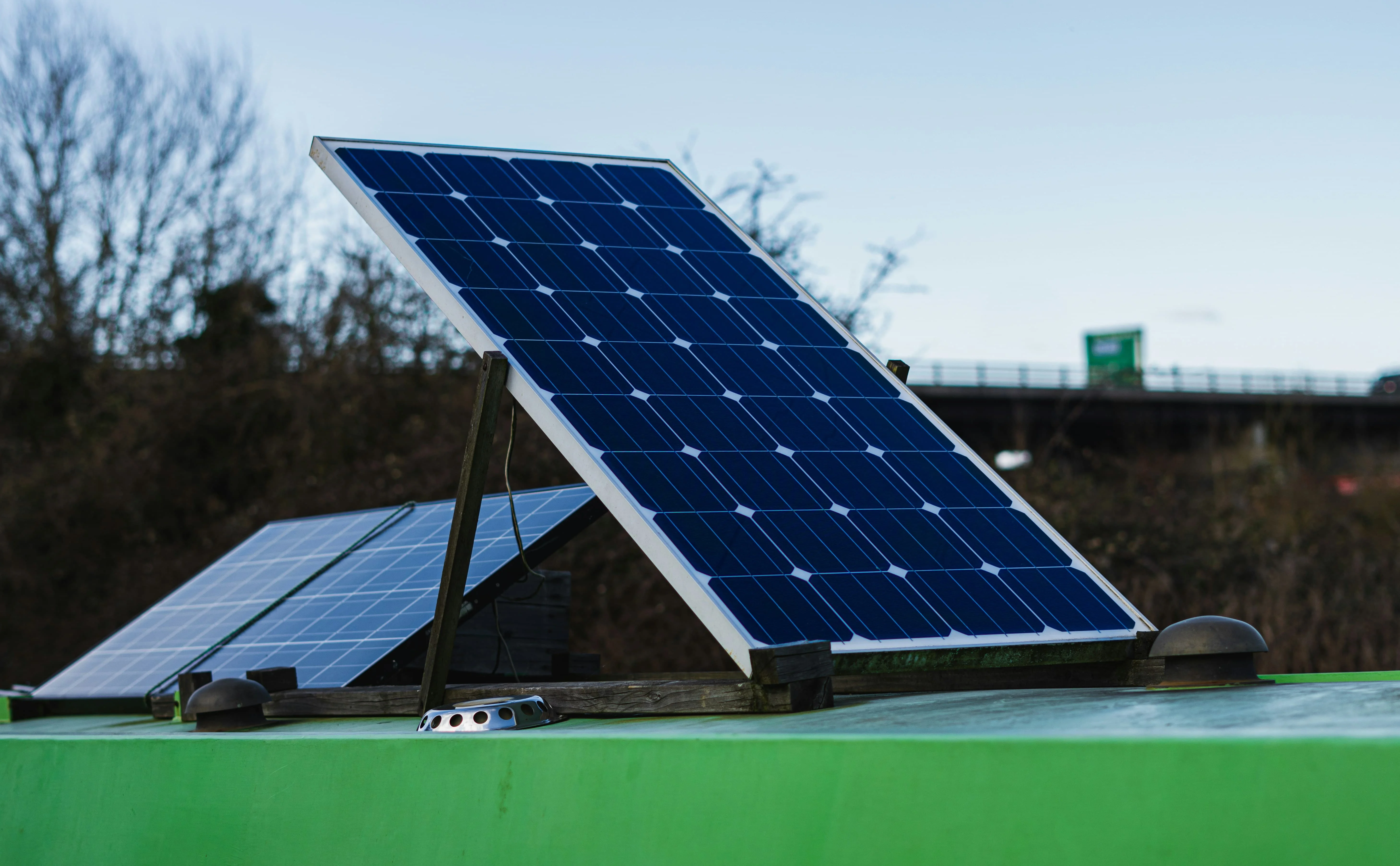
Solar energy has become one of the most important renewable energy sources worldwide, and photovoltaic technology continues to improve rapidly. Among global manufacturers, JA Solar is widely recognized for producing high-efficiency solar modules used in residential, commercial, and utility-scale projects.
However, no matter how advanced solar technology becomes, one factor remains unavoidable: weather conditions. Weather plays a crucial role in determining how much electricity solar panels generate, how efficiently they operate, and how long they last.
In this article, we will take a deep and practical look at how different weather conditions affect JA Solar panels performance, including temperature, sunlight intensity, clouds, rain, snow, wind, humidity, and seasonal changes.
1. The Relationship Between Weather and Solar Panel Performance
Solar panels work by converting sunlight into electricity using photovoltaic (PV) cells. This means their performance is directly influenced by:
-
Solar irradiance (sunlight intensity)
-
Ambient temperature
-
Atmospheric conditions (clouds, dust, humidity)
Even high-quality modules from JA Solar cannot avoid these natural limitations. Instead, they are engineered to minimize losses and maintain stable output under changing environmental conditions.
Understanding these weather impacts helps system owners optimize installation, maintenance, and energy expectations.
2. Sunlight Intensity: The Most Direct Factor
Clear Sunny Days = Maximum Output
On bright, sunny days, JA Solar panels typically reach their highest energy production levels. Direct sunlight provides maximum photons for photovoltaic conversion, resulting in peak efficiency.
In ideal conditions:
-
Irradiance is high (1000 W/m² or more)
-
Energy output is stable and predictable
-
System performance is near rated capacity
Cloudy or Overcast Days = Reduced Output
Clouds scatter and absorb sunlight, reducing the amount of direct radiation reaching the panel surface. However, it is important to note:
-
JA Solar panels still generate electricity under diffuse light
-
Output may drop to 10%–60% depending on cloud thickness
-
Modern monocrystalline cells used by JA Solar perform better in low-light compared to older technologies
Key Insight
While sunlight intensity is the strongest performance driver, high-quality panels can still generate usable electricity even in less-than-ideal conditions.
3. Temperature: The Hidden Performance Influencer
Many people assume that hotter weather increases solar output, but the reality is more complex.
High Temperature Reduces Efficiency
Solar panels are tested under Standard Test Conditions (25°C). When temperatures rise above this level:
-
Voltage output decreases
-
Efficiency drops
-
Energy loss increases
For most silicon-based panels, including those from JA Solar, the temperature coefficient typically ranges between -0.3% to -0.4% per °C.
This means:
-
At 35°C (10°C above standard), output may drop by 3%–4%
-
At 45°C, losses become even more noticeable
Why Heat Reduces Performance
Higher temperatures increase the movement of electrons within the semiconductor material, which reduces voltage potential and overall efficiency.
Cold Weather Advantage
Interestingly, cold weather can improve performance:
-
Lower resistance inside PV cells
-
Higher voltage output
-
Improved efficiency
As long as sunlight is available, JA Solar panels often perform better in cold, sunny environments than in hot climates.
4. Cloud Cover and Diffused Light Conditions
Cloudy weather does not stop solar generation, but it significantly changes how energy is produced.
Diffused Light Operation
Modern solar cells used in JA Solar panels are designed to capture both:
-
Direct sunlight
-
Reflected and scattered light
This allows panels to continue generating power even when the sun is not visible.
Performance Under Clouds
Depending on cloud density:
-
Light clouds: 60%–80% output
-
Heavy clouds: 20%–40% output
-
Storm clouds: 5%–15% output
Advantage of Modern Panel Design
Advanced cell structures and anti-reflective coatings help improve low-light performance, making JA Solar modules more reliable in regions with variable weather patterns.
5. Rain: Surprisingly Beneficial for Solar Panels
Rain is often misunderstood when it comes to solar energy performance.
Reduced Immediate Output
During rainfall:
-
Sunlight is blocked
-
Output temporarily decreases
Long-Term Benefits
However, rain provides several advantages:
1. Cleaning Effect
Rain naturally washes away:
-
Dust
-
Pollen
-
Bird droppings
-
Air pollution residues
This improves light absorption once the sky clears.
2. Cooling Effect
Rain lowers panel temperature, which:
-
Improves efficiency after storms
-
Reduces thermal stress
3. Better Air Clarity After Rain
After rainfall, air becomes cleaner, allowing more sunlight penetration.
Overall, rain can improve long-term performance stability of JA Solar panels.
6. Snow and Cold Climate Conditions
Snowy environments present both challenges and opportunities.
Snow Coverage Blocks Sunlight
When panels are covered in snow:
-
Energy production drops to near zero
-
Accumulated snow must slide off or be removed
Design Considerations
High-quality panels from JA Solar are often installed with:
-
Tilted mounting systems to encourage snow shedding
-
Smooth glass surfaces to reduce snow adhesion
-
Durable frames to handle heavy snow loads
Reflection Benefit
Snow has a reflective property called albedo effect, meaning:
-
Light reflects off snow onto panels
-
Slight increase in indirect light capture at edges
Cold Temperature Advantage
Once cleared, cold snowy conditions often provide:
-
High efficiency due to low temperatures
-
Strong sunlight reflection from snow surfaces
7. Wind: Cooling vs Structural Stress
Wind has both positive and negative effects.
Positive Effects
Moderate wind helps:
-
Cool down solar panels
-
Reduce thermal losses
-
Improve overall efficiency in hot climates
Negative Effects
Strong winds can:
-
Stress mounting systems
-
Cause microcracks in poorly installed panels
-
Increase mechanical wear over time
JA Solar panels are engineered with strong mechanical durability, including:
-
High wind load resistance
-
Reinforced frames
-
Certified structural testing
This ensures stability in extreme weather zones.
8. Humidity and Moisture Exposure
Humidity levels affect long-term reliability more than short-term output.
High Humidity Risks
In tropical and coastal regions:
-
Moisture can enter micro-cracks if sealing is weak
-
Corrosion risk increases
-
Electrical degradation may occur over time
Protective Engineering
Panels from JA Solar typically feature:
-
Advanced encapsulation materials (EVA or POE layers)
-
Anti-corrosion coatings
-
IP-rated junction boxes
These protections ensure stable operation even in humid environments.
9. Dust, Sand, and Air Pollution
Dry and dusty climates can significantly impact performance.
Performance Reduction
Dust accumulation causes:
-
Reduced light absorption
-
Hotspots on panel surfaces
-
Efficiency losses up to 5%–20%
Mitigation
Regular cleaning and rain cycles help restore efficiency. Additionally:
-
Anti-soiling glass coatings reduce dust adhesion
-
Tilted installations allow dust to slide off more easily
JA Solar panels are widely used in desert regions because of their strong durability and resistance to harsh environments.
http://www.jasolarworld.com
jasolarworld -
-
AuthorPosts

- You must be logged in to reply to this topic.