
- This topic is empty.
-
AuthorPosts
-
2026-01-19 at 2:22 pm #65454
As renewable energy continues to gain popularity, solar photovoltaic (PV) systems have become the first choice for many households and businesses. Among the leading brands, JA Solar Panels are well-known for their high efficiency, reliability, and strong after-sales service. However, purchasing high-quality solar panels is only half the battle—the real challenge lies in maximizing the power generation efficiency of your PV system. This guide explores practical strategies to enhance the efficiency of JA Solar Panels systems, from installation to maintenance and technological optimization.
1. Choosing the Right JA Solar Panels Model
The choice of solar panel model significantly affects system efficiency. JA Solar offers various series, including monocrystalline, high-efficiency PERC monocrystalline, and half-cell technologies.
-
Monocrystalline vs. Polycrystalline
-
Monocrystalline panels perform better under low-light conditions and are ideal for limited roof space where maximizing output is critical.
-
Polycrystalline panels are more cost-effective but experience higher efficiency loss at elevated temperatures.
-
Power Rating and System Matching
-
Properly configure the number and power rating of panels according to your energy needs to avoid energy wastage.
-
High-power panels can deliver more electricity per unit area, which is advantageous for small rooftops.
-
Advanced Technology Options
-
JA Solar’s half-cell and bifacial panels can further improve efficiency.
-
Half-cell technology reduces current losses, increasing performance in shaded conditions.
-
Bifacial panels capture reflected sunlight from the ground or rooftop, boosting total energy output, especially on reflective surfaces.
2. Optimizing Panel Orientation and Tilt
The installation angle and orientation directly impact a solar panel’s performance. Proper alignment is key to maximizing energy production.
-
Orientation
-
In the Northern Hemisphere, solar panels should ideally face south to receive the most sunlight throughout the year.
-
If a roof cannot face perfectly south, small angle adjustments can optimize energy production.
-
Tilt Angle
-
The optimal tilt angle is generally equal to the local latitude ± 15°.
-
Slight adjustments in summer or winter can accommodate seasonal variations in sunlight.
-
Avoiding Shading
-
Trees, chimneys, nearby buildings, or AC units can cast shadows on panels.
-
Shading reduces the output of individual panels and may affect the entire string.
-
Consider using microinverters or power optimizers to mitigate shading losses.
3. Choosing the Right Inverter and System Configuration
The solar inverter converts DC power from the panels into AC power for use. Its efficiency has a major impact on the overall system performance.
-
Inverter Sizing
-
Match the inverter’s capacity with the total panel output to avoid underperformance or overload losses.
-
High-quality inverters with MPPT (Maximum Power Point Tracking) optimize voltage and current, increasing energy yield.
-
Microinverters and Power Optimizers
-
Microinverters are suitable for roofs with complex orientations or partial shading, optimizing each panel independently.
-
Power optimizers reduce the impact of weaker panels in a string, improving overall output.
-
Series-Parallel Design
-
Excessive series connections can increase voltage excessively and make shading losses more severe.
-
Too many parallel connections increase current losses. A balanced string-parallel configuration ensures optimal efficiency and system stability.
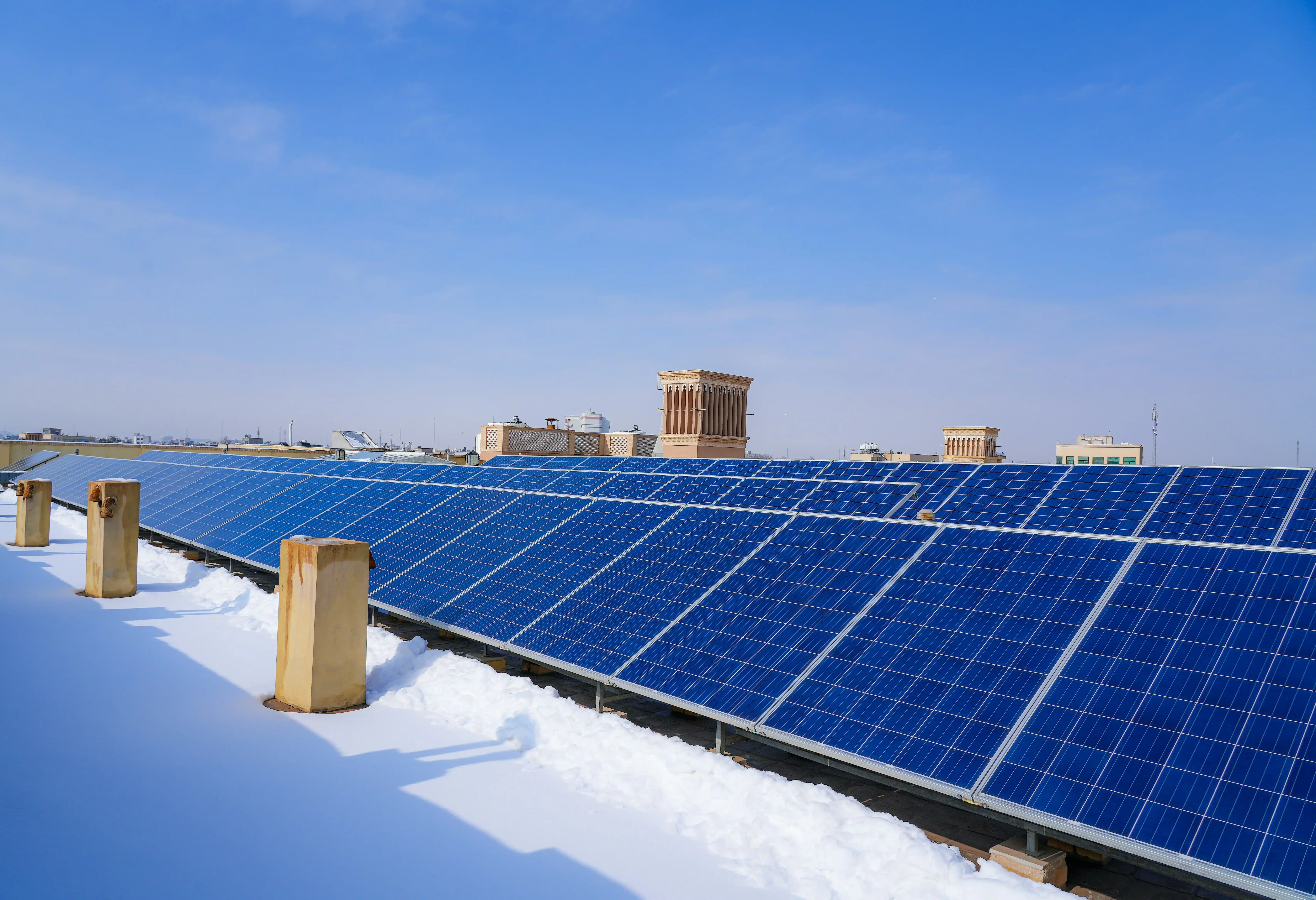
4. Regular Cleaning and Maintenance
Dust, bird droppings, leaves, or snow can significantly reduce solar panel output. Studies show that heavy surface dirt can decrease efficiency by 5–20%. Regular maintenance is essential.
-
Cleaning Frequency
-
Clean panels at least once per quarter.
-
In high-pollution or dusty areas, increase the frequency.
-
Cleaning Methods
-
Use a soft brush or low-pressure water spray to avoid scratching the panel surface.
-
Avoid corrosive chemicals that could damage the panel coating.
-
Performance Monitoring
-
Use a monitoring system to track panel output and detect issues early.
-
Some JA Solar models offer smart monitoring for remote performance tracking.
5. Temperature Management and Heat Dissipation
Solar panels experience efficiency loss at high temperatures due to the physical properties of semiconductors. Effective heat management can significantly improve energy output.
-
Ventilation Space
-
Maintain sufficient space behind the panels for air circulation to help dissipate heat.
-
Proper racking design ensures airflow between the panels and the roof surface.
-
Reflective Surfaces and Cooling
-
High-reflectivity roof materials reduce panel surface temperature and boost bifacial panel performance.
-
In commercial systems, wind or water-assisted cooling can further enhance efficiency.
6. Integrating Energy Storage and Smart Management
Combining solar PV systems with energy storage and smart management maximizes the utilization of generated power.
-
Energy Storage
-
Store excess electricity in batteries to avoid curtailment losses.
-
Release stored power during peak demand periods for maximum economic benefits.
-
Smart Energy Management
-
Intelligent systems optimize power generation, storage, and consumption in real time.
-
JA Solar’s smart solutions allow users to remotely monitor panel performance, storage status, and electricity usage.
7. Using Quality Materials and Professional Installation
System efficiency is influenced not only by panels but also by racking, wiring, connectors, and installation quality.
-
High-Quality Components
-
Durable, corrosion-resistant racks ensure long-term stability.
-
Low-resistance cables and certified connectors minimize transmission losses.
-
Professional Installation
-
Poor installation can lead to incorrect tilt angles, spacing, or poor wiring, affecting output.
-
Follow JA Solar’s installation guidelines for optimal system performance.
8. Monitoring and Continuous Optimization
Even after installation, ongoing monitoring and optimization are crucial to maintaining high efficiency.
-
Regular System Performance Checks
-
Use power meters, infrared thermography, or monitoring software to detect efficiency drops.
-
Replace aging or malfunctioning panels promptly to avoid reducing system output.
-
Data Analysis and Optimization
-
Analyze seasonal, climatic, and shading impacts on panel output.
-
For large-scale installations, tracking systems can adjust panel angles dynamically to maximize energy harvest.
Conclusion
Maximizing the power generation efficiency of JA Solar Panels systems requires a comprehensive approach, including:
-
Selecting the right panel model and technology
-
Optimizing installation angles, orientation, and series-parallel configuration
-
Using high-efficiency inverters, microinverters, or power optimizers
-
Performing regular cleaning and maintenance
-
Managing temperature and ensuring proper heat dissipation
-
Integrating energy storage and smart management systems
-
Using quality materials and professional installation
-
Continuous monitoring and data-driven optimization
By following these strategies, both residential and commercial users can enhance efficiency, extend system lifespan, and maximize the economic benefits of their solar investment. With careful planning and maintenance, JA Solar Panels systems can deliver the highest possible energy output, contributing to a greener and more sustainable future.
http://www.jasolarworld.com
jasolarworld -
-
AuthorPosts

- You must be logged in to reply to this topic.