
- This topic is empty.
-
AuthorPosts
-
2026-10-08 at 2:30 pm #67379
Smooth label application is an important part of metal can packaging. Whether the container is used for canned food, beverages, paint, chemicals, household products, or other goods, the label needs to sit firmly and evenly on the surface. Wrinkles, bubbles, lifting edges, tilted labels, and inconsistent overlaps can affect both product appearance and packaging performance.
Achieving a smooth finish becomes more challenging when production moves from manual labeling to continuous automated production. A metal can may have a smooth surface, but its diameter, height, surface coating, temperature, moisture level, and label compatibility can all affect the application result.
This is why choosing the right tin can labeling machine is only one part of the solution. The machine, can surface, label material, adhesive, application pressure, product positioning, and operating speed all need to work together.
For manufacturers looking to improve labeling quality, the goal should not simply be to increase machine speed. Instead, the labeling process should be optimized so that each label reaches the metal can under stable and repeatable conditions.
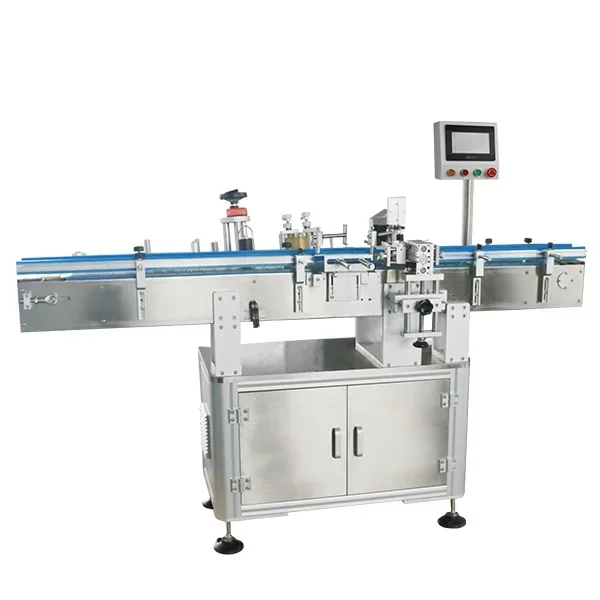
Why Is Smooth Label Application Difficult on Metal Cans?
Metal cans often have relatively uniform cylindrical surfaces, which makes them suitable for automated labeling. However, this does not mean that every can will automatically receive a perfect label.
Several factors can interfere with smooth application.
The first is the surface condition of the can. Oil, dust, moisture, condensation, or residue can prevent the adhesive from making uniform contact.
The second is the label itself. Different paper and film materials behave differently when wrapped around a curved metal surface. A label that works well on one can diameter may require different application conditions on another.
The third is machine synchronization. The can and label need to move at compatible speeds. If the label is fed too quickly or too slowly, wrinkles, overlaps, or gaps can occur.
Application pressure is another consideration. Insufficient pressure can leave areas of poor contact, while excessive pressure can deform the label or create other defects.
For this reason, smooth labeling requires control of the entire process rather than one isolated machine parameter.
Start With a Suitable Metal Can Surface
Before adjusting the labeling machine, manufacturers should examine the condition of the cans.
Metal cans may have different surface finishes, including painted, printed, coated, or bare metal surfaces. These surfaces can have different levels of smoothness and different interactions with adhesives.
A can that looks visually clean may still contain a thin layer of oil or residue from manufacturing and handling.
If contamination remains on the surface, the adhesive may not establish uniform contact. The label may initially appear acceptable but later develop lifted edges or bubbles.
For a tin can labeling machine for food packaging, surface cleanliness is particularly important because cans may pass through washing, filling, or other processes before labeling.
Before labeling, manufacturers should consider:
-
Surface cleanliness
-
Surface dryness
-
Coating type
-
Can temperature
-
Condensation
-
Oil or grease contamination
-
Dust accumulation
-
Surface damage
A clean and consistent can surface gives the labeling machine a much more predictable application condition.
Choose a Label That Matches the Can
The label material has a major influence on application quality.
Paper labels, polypropylene labels, polyester labels, and other film materials have different characteristics. Some are relatively flexible, while others have greater stiffness or dimensional stability.
When a label is applied around a cylindrical can, it needs to conform to the curved surface without excessive resistance.
If the label is too stiff for the can diameter, the edges may have difficulty staying in contact with the surface. If the material is too flexible and machine tension is not properly controlled, it may wrinkle during application.
Manufacturers should therefore evaluate label characteristics before selecting a tin can labeling machine.
Important specifications include:
-
Label thickness
-
Label stiffness
-
Label length
-
Label width
-
Adhesive type
-
Backing material
-
Surface finish
-
Moisture resistance
-
Temperature resistance
The label should also be tested under actual production conditions rather than evaluated only from its technical datasheet.
Make Sure the Label Dimensions Match the Can
A smooth application starts with the correct label dimensions.
For wrap-around labeling, the label length needs to correspond appropriately with the circumference of the can.
If the label is significantly longer than required, excessive overlap can occur. This may create a visible ridge or uneven section.
If the label is too short, an unwanted gap may remain.
Label height also needs to be considered. A label that is too tall for the intended application area may extend toward curved edges, seams, or other areas where adhesion becomes less predictable.
When configuring a tin can labeling machine for different can sizes, manufacturers should provide accurate can and label dimensions.
The key measurements usually include:
-
Can diameter
-
Can height
-
Label length
-
Label height
-
Desired overlap
-
Label position
-
Can spacing
Correct dimensions reduce the amount of compensation required from the machine.
Control Label Tension Carefully
Label tension is one of the most important machine parameters for smooth application.
The label travels from the roll through the feeding mechanism before reaching the can. Throughout this process, the material needs to remain stable.
If the tension is too low, the label may become loose or move laterally. When it reaches the can, the loose section can fold and create wrinkles.
If the tension is too high, the label may stretch. Once it is applied to the can and the tension changes, the material can contract and affect the final position.
A good automatic tin can labeling machine provides controlled label feeding so that the material moves consistently toward the application point.
The correct tension depends on the label material, label thickness, roll condition, and machine configuration.
Operators should therefore avoid assuming that one tension setting works for every product.
Align the Labeling Head Correctly
The position of the labeling head can have a direct effect on application quality.
If the labeling head is too far from the can, the label may not make contact at the intended point.
If it is too close, the label may be forced onto the surface too aggressively.
The angle of the dispensing mechanism also matters.
For cylindrical metal cans, the label should approach the surface in a controlled and repeatable manner. A poorly aligned labeling head can cause the label to contact one side first and then fold as it wraps around the container.
When installing a tin can labeling machine for round cans, manufacturers should carefully check the relationship between the conveyor, can guides, label dispensing point, and application rollers.
Small alignment errors can become much more noticeable at higher production speeds.
Use Stable Can Positioning
The can needs to remain stable while the label is being applied.
Even if the labeling head is perfectly adjusted, inconsistent can movement can produce inconsistent results.
If cans move sideways, rotate unpredictably, or change their spacing before reaching the labeling point, the distance between the can and labeling mechanism also changes.
Guide rails and product positioning components help maintain a stable path.
For a tin can labeling machine for cylindrical containers, consistent positioning is particularly important because the label needs to follow the curvature of the can.
Stable positioning also makes the machine easier to adjust. Once the product path is repeatable, operators can focus on optimizing the label application parameters rather than compensating for random product movement.
Match Label Speed With Can Movement
Speed synchronization is critical for automatic labeling.
The label and can must move together in a controlled relationship. If the label feed speed does not match the movement of the container, the label may stretch, buckle, or shift.
This issue becomes more obvious in high-speed production.
A high-speed tin can labeling machine needs more than a fast motor or fast conveyor. The label dispensing system, sensors, conveyor, and application mechanism must work together.
If the machine is pushed beyond its stable operating range, labeling quality may decline even though the mechanical system is still running.
Manufacturers should therefore test the machine at the actual target production speed.
The ideal operating point is the speed at which the equipment can maintain consistent label placement while keeping rejects and material waste under control.
Apply Pressure Gradually and Consistently
Application pressure helps the label make complete contact with the can surface.
Many automated systems use rollers, belts, pads, or other contact components to press the label onto the container.
The purpose is not simply to apply as much pressure as possible.
Instead, pressure should be controlled so that the label gradually conforms to the can surface.
If the pressure is too low, sections of the label may not bond properly.
If the pressure is too high, the label can deform, adhesive can be displaced, or the surface finish may be affected.
A tin can label applicator machine should therefore be configured according to the characteristics of the can and label rather than using a universal pressure setting.
Testing different pressure levels during commissioning can help identify the most stable application condition.
Prevent Air From Becoming Trapped Under the Label
Air bubbles often appear when a large section of a label contacts the can before the air underneath has an opportunity to escape.
The application process should encourage progressive contact.
Instead of forcing the entire label onto the surface simultaneously, a controlled application mechanism gradually presses the label against the can.
Application rollers are particularly useful for this purpose.
As the can moves through the labeling station, the roller follows the surface and presses the label progressively. This allows air to move toward the edges instead of remaining trapped beneath the label.
The effectiveness of this process depends on roller position, pressure, label speed, and container movement.
If air bubbles remain consistently in the same area, these parameters should be examined together rather than adjusting only the roller pressure.
Prevent Wrinkles by Controlling the Leading Edge
Many labeling defects begin at the leading edge.
If the first section of the label is applied at an incorrect angle or with excessive slack, the material can form a small fold.
As the can continues moving, this fold may become larger.
A tin can labeling machine with precise label dispensing should therefore place the leading edge consistently from one can to the next.
Sensor timing is important here.
The sensor needs to detect the can at the correct position so that the label is released at the appropriate moment.
If the timing is incorrect, even a well-designed labeling machine can produce inconsistent results.
Keep the Label Roll in Good Condition
Label roll quality is sometimes overlooked during troubleshooting.
A damaged, poorly wound, or uneven roll can cause feeding problems before the label even reaches the can.
Operators should check whether the roll is:
-
Properly wound
-
Correctly aligned
-
Free from damaged edges
-
Stored under suitable conditions
-
Properly mounted on the machine
Uneven rolls can cause changes in label tension as the roll rotates.
If the machine suddenly begins producing inconsistent labels after a roll change, the roll itself should be inspected before making major machine adjustments.
Consider Temperature and Humidity
Environmental conditions can affect labeling performance.
Adhesives behave differently at different temperatures. Very low temperatures may reduce adhesive tack, while excessive heat can alter adhesive behavior.
Humidity can also affect certain paper labels and their backing materials.
Condensation is another concern when cold metal cans enter a warmer environment.
A wet surface can interfere with adhesive contact and contribute to bubbles or lifting edges.
For manufacturers operating a tin can labeling machine for beverage cans, temperature and moisture should therefore be considered as part of the labeling process.
If defects occur only during certain seasons or production conditions, environmental factors may be contributing to the problem.
Maintain Consistent Can Spacing
Product spacing affects labeling accuracy.
If cans are too close together, the machine may not have enough time to complete one labeling cycle before the next can arrives.
If spacing changes constantly, sensor timing becomes more difficult to control.
A stable conveyor system helps maintain consistent distances between cans.
This is particularly important for automatic tin can labeling equipment operating at high speed.
Consistent spacing allows the labeling system to detect each can predictably and coordinate label dispensing more accurately.
Adjust the Machine After Every Major Product Change
One machine may be used for several can sizes and label specifications.
However, changing products without changing machine parameters can create unnecessary labeling defects.
A change from a small-diameter tin can to a larger can may require adjustments to the guides, labeling head, roller position, sensor location, and operating parameters.
Likewise, changing from a paper label to a film label may require different tension or pressure settings.
A flexible tin can labeling machine for multiple can sizes should make these adjustments relatively straightforward.
For manufacturers with frequent SKU changes, quick changeover should be considered an important equipment feature rather than an optional convenience.
Use Testing to Find the Best Settings
Machine settings should ideally be established through controlled testing.
Rather than changing speed, pressure, tension, and sensor position simultaneously, manufacturers can adjust one variable at a time and observe the result.
For example, if wrinkles appear at the same location on every can, operators can first inspect label alignment and dispensing position.
If bubbles appear mainly at high speed, production speed and application synchronization should be investigated.
If labels begin lifting after several hours, adhesive compatibility, surface contamination, or environmental conditions may need attention.
This approach creates a more reliable relationship between machine settings and labeling results.
Final Considerations
Getting smooth label application on metal cans is a process-control challenge rather than a single machine-setting problem.
The can surface needs to be clean and dry. The label needs to have suitable dimensions, flexibility, and adhesive properties. The labeling machine needs to position the can accurately, control label tension, synchronize label feeding with container movement, and apply pressure progressively.
For manufacturers using a tin can labeling machine for high-volume production, these factors become even more important because small inconsistencies can quickly become large quantities of defective products.
When selecting or optimizing a labeling system, manufacturers should therefore evaluate the complete application process. Testing actual cans and labels at the intended production speed can provide much more useful information than relying solely on general machine specifications.
With the right combination of equipment, materials, and operating parameters, manufacturers can achieve smoother label application, reduce wrinkles and air bubbles, minimize label waste, and maintain a consistent appearance across long production runs.
http://www.beiltpack.com
beiltpack -
-
AuthorPosts

- You must be logged in to reply to this topic.