
- This topic is empty.
-
AuthorPosts
-
2025-12-02 at 2:58 pm #65046
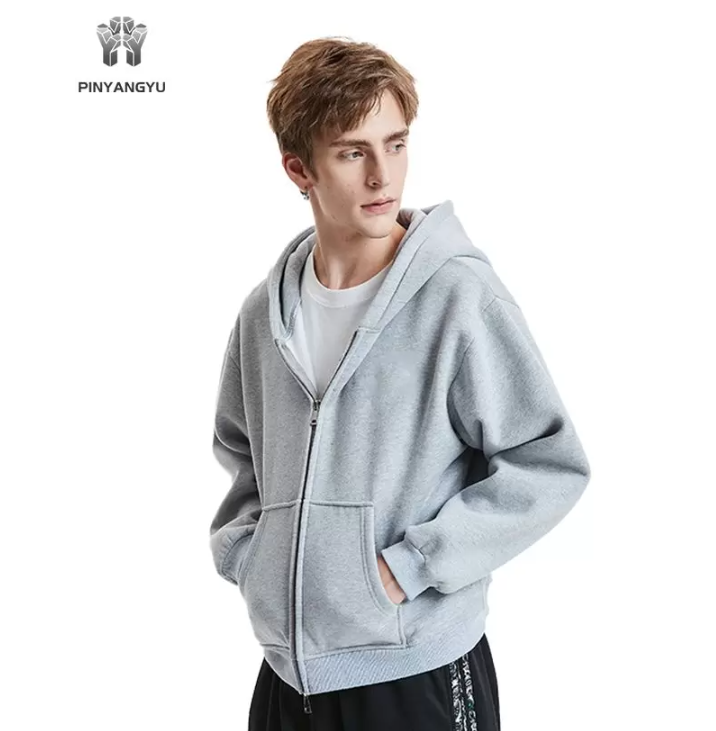
Selecting the ideal French terry fabric is a decisive step in producing high-quality custom hoodies. From yarn selection to finishing processes, each stage influences softness, durability, and visual appeal. Pinyang Clothing, with its seamless vertical integration and full-package OEM capabilities, helps designers and brands make informed material choices that balance aesthetics, performance, and cost-efficiency. This guide walks through the key decision points for French terry production, highlighting practical considerations and technical nuances.
1. From Fiber to Fabric: Choosing the Right Yarn Count
When initiating hoodie production, the yarn count determines the foundation of the fabric’s texture and weight.
-
Heavier vs. Lighter Options: Lower-count yarns (16s–20s) produce denser, warmer hoodies ideal for winter wear. Higher-count yarns (24s–32s) result in lighter, smoother fabrics suitable for all-season comfort.
-
Fabric Behavior: Yarn count affects loop formation, stretch recovery, and pilling resistance. Thicker yarns provide structural stability for loose-fit designs, while finer yarns improve drape and softness.
-
Balancing Durability and Feel: For long-lasting OEM hoodies, medium-count yarns often strike the best compromise between wear resistance and hand feel.
Tip: Match yarn count to intended end-use—heavier counts for outerwear or cold-weather collections, lighter counts for lifestyle and athletic hoodies.
2. Combing Grade Decisions: Optimizing Strength and Surface Quality
The combing process removes short fibers, enhancing smoothness and tensile strength. Choosing the right combing grade impacts both manufacturing efficiency and garment quality:
-
Fully Combed Yarn: Offers superior strength, minimal fuzz, and reduced pilling. Essential for premium lines and hoodies with detailed stitching or embroidery.
-
Semi-Combed Yarn: Cost-effective, adequate for mid-range products, but may require stricter finishing techniques to prevent shrinkage or uneven texture.
-
Carded Yarn: Suitable for basic or high-volume casual hoodies, though it may compromise longevity and appearance over multiple washes.
Production Insight: Investing in higher combing grades reduces defects during cutting and sewing, lowering waste and enhancing quality consistency in bulk OEM runs.
3. Finishing Techniques: Transforming Fabric into Ready-to-Wear Hoodies
Fabric finishing not only enhances aesthetic appeal but also ensures functional performance. Key finishing considerations include:
-
Pre-Shrinking: Sanforization or heat-setting stabilizes dimensions, preventing unexpected shrinkage during consumer washing.
-
Loop Surface Treatment: Brushing or shearing can create a soft, uniform inner texture that enhances comfort while preserving elasticity.
-
Color and Print Readiness: Proper finishing ensures even dye penetration and consistency in custom prints or embroidery, crucial for brand-specific designs.
-
Moisture and Pilling Control: Chemical softeners or anti-pilling treatments increase garment longevity and consumer satisfaction.
Practical Note: The choice of finishing technique should align with the fabric’s yarn count and combing grade to maintain the intended drape and hand feel.
4. Integrating Fabric Specifications with Production Workflow
Rather than viewing yarn, combing, and finishing as isolated variables, consider them within the production workflow:
-
Design Stage: Specify desired weight, softness, and drape based on target audience and seasonal requirements.
-
Material Sourcing: Choose yarn counts and combing grades compatible with production scale and finishing options.
-
Sample Evaluation: Produce small-batch swatches to test shrinkage, seam strength, and loop resilience after finishing.
-
Mass Production: Apply selected finishing techniques, monitor consistency, and adjust tension or treatment parameters as needed.
-
Quality Control: Inspect pre- and post-finishing samples for shrinkage, color fastness, and tactile uniformity before packaging and distribution.
Decision Tip: Integrating these steps ensures fabric specifications complement garment construction, minimizing rework and enhancing brand consistency.
5. FAQ
Q1: How does yarn count influence hoodie warmth?
A1: Lower-count yarns produce denser fabrics with more insulation, while higher-count yarns offer lighter, breathable options.Q2: Why is fully combed yarn recommended for premium hoodies?
A2: Fully combed yarn reduces short fibers, minimizing pilling and increasing seam integrity and longevity.Q3: Can finishing processes compensate for lower-quality yarns?
A3: To a degree—finishing can improve hand feel and shrinkage control, but cannot fully replace structural advantages of high-grade yarn.Q4: What pre-shrink method is most effective for French terry?
A4: Sanforization ensures dimensional stability without compromising softness, suitable for large-scale OEM production.Q5: How do production and finishing interact with custom prints or embroidery?
A5: Proper finishing ensures the fabric surface is uniform and stable, preventing distortions or color inconsistencies in post-production designs.
Conclusion
Choosing the right French terry fabric involves balancing yarn count, combing grade, and finishing techniques within the context of the entire production workflow. Strategic decisions at each stage—from fiber selection to finishing—directly impact comfort, durability, and overall garment quality. Pinyang Clothing’s end-to-end OEM services, including fabric sourcing, cutting, sewing, finishing, and stringent quality control, enable brands to produce custom hoodies that meet both aesthetic and functional standards. By considering these specifications holistically, manufacturers can deliver hoodies that satisfy consumers while optimizing production efficiency and consistency.
https://www.ncpy.net/
Nanchang Pinyang Clothing Co., Ltd -
-
AuthorPosts

- You must be logged in to reply to this topic.