
- This topic is empty.
-
AuthorPosts
-
2026-07-13 at 1:55 pm #66510
The outdoor heating industry has long grappled with a fundamental contradiction: how to deliver powerful, consistent warmth in extreme conditions without subjecting users to choking smoke, excessive fuel consumption, and cumbersome equipment. For cold-weather camping enthusiasts, ice fishing communities, and glamping operators, traditional wood stoves have represented a necessary compromise rather than an optimal solution. However, a technological breakthrough originating from precision manufacturing facilities in Suzhou, China, is fundamentally reshaping expectations for what portable heating equipment can achieve.
The Engineering Challenge Behind Clean Combustion
Wood combustion inherently produces smoke, creosote, and unburned particulates—byproducts that create both discomfort and safety hazards in enclosed tent environments. Conventional stove designs channel these emissions directly through a chimney system, wasting potential thermal energy while exposing users to irritating smoke. The engineering challenge lies in capturing and re-burning these volatile gases before they exit the system, a process known as secondary combustion.
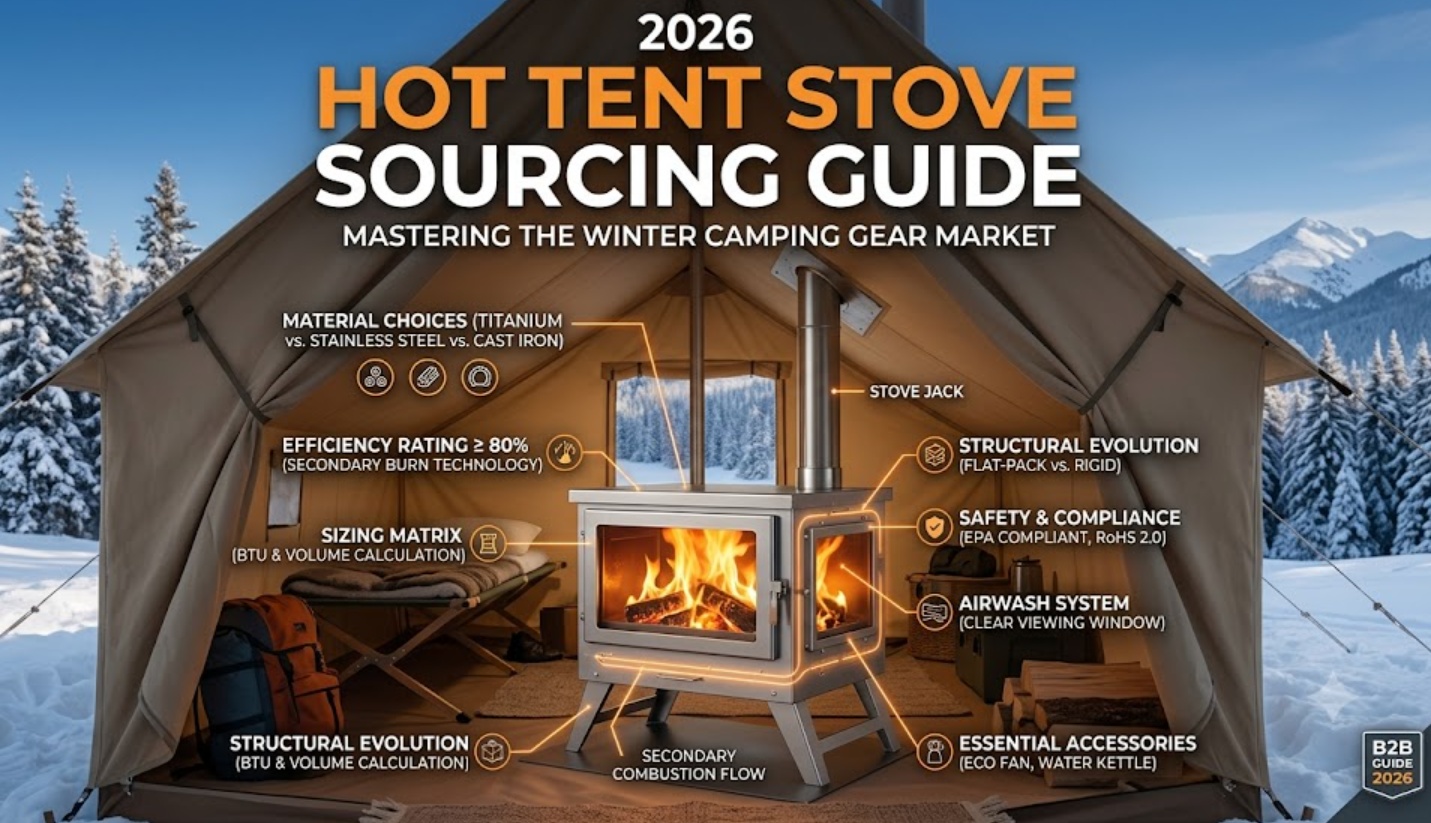
This technology operates on a deceptively simple principle: introducing preheated oxygen into the upper combustion chamber where unburned gases accumulate. When these gases encounter sufficient heat and oxygen, they ignite in a secondary flame that converts waste smoke into additional heat energy. The result is a dramatic reduction in visible emissions—up to 80% in optimized systems—while simultaneously increasing thermal output by 20% to 45%. This dual benefit addresses both the comfort and efficiency concerns that have plagued outdoor heating for decades.
Manufacturing Precision Meets Outdoor Performance
The translation of secondary combustion theory into reliable field equipment requires sophisticated materials engineering and precision fabrication. Advanced tent wood stoves now incorporate dual-wall construction with strategically positioned air intake channels that preheat incoming oxygen before directing it to the secondary combustion zone. This design ensures consistent re-burn performance even as primary fire intensity fluctuates.
Material selection proves equally critical. High-performance models utilize 3.0mm thick 304 food-grade stainless steel or aerospace-grade titanium alloy, materials that maintain structural integrity under repeated thermal cycling while resisting the corrosive effects of combustion byproducts. These specifications represent a substantial upgrade from the thinner-gauge steel common in budget stoves, where warping and premature failure often occur within a single season of intensive use.
Manufacturing facilities equipped with robotic welding systems and laser cutting technology can maintain the tight tolerances required for effective secondary combustion. Precision-machined air intake ports, seamlessly welded combustion chambers, and properly engineered baffle systems work in concert to create the controlled airflow patterns that distinguish professional-grade equipment from consumer alternatives.
The Inverted Chimney Innovation
Beyond combustion efficiency, tent stove safety depends critically on chimney system design. A recent innovation addresses one of the most hazardous aspects of portable wood heating: creosote leakage at pipe connections. Traditional telescoping chimney sections create gaps where condensed wood tars can seep into living spaces, creating fire hazards and staining tent fabrics.
The inverted chimney architecture reverses the conventional overlap pattern, creating interlocking joints where each upper section nests inside the one below. Gravity and condensation physics then work together—any liquid creosote flows downward through the interior of the pipe system rather than leaking at connection points. This seemingly minor design modification dramatically improves both safety and maintenance requirements for extended cold-weather deployments.
Market Validation Across Global Cold-Weather Applications
The effectiveness of advanced secondary combustion systems has been demonstrated across diverse extreme-environment applications. In the Canadian ice fishing sector, regional distributors report zero carbon monoxide incidents in tents equipped with precision airflow stoves, a critical safety benchmark for equipment used in sealed shelters. Norwegian glamping operators have documented guest satisfaction improvements and extended operating seasons by incorporating panoramic tent heaters that eliminate the smoke discomfort previously associated with wood heating.
In Japan’s competitive outdoor equipment market, brands leveraging secondary combustion technology have achieved premium pricing strategies, with documented examples of 80% premium rates and 5,000-unit first-month sales for customized smokeless designs. These commercial outcomes reflect consumer willingness to pay substantially more for equipment that eliminates traditional wood heating compromises.
Global Manufacturing Infrastructure for Localized Supply
The logistics of serving international cold-weather markets have evolved beyond traditional container shipping models. Leading manufacturers now operate tri-hub distribution networks with warehouse facilities in Los Angeles, Hamburg, and Panama, enabling regional inventory positioning that reduces lead times and shipping costs for North American, European, and Latin American markets.
This infrastructure proves particularly valuable for e-commerce sellers operating on platforms with strict fulfillment timelines. Amazon FBA sellers, for example, can reduce international shipping delays while maintaining competitive landed costs through localized warehouse transfers rather than direct-from-Asia shipments for every order.
Production facilities with annual capacities exceeding 500,000 units provide the scale necessary to support both large outdoor brands and emerging direct-to-consumer companies. Intelligent manufacturing systems incorporating robotic welding and automated quality control ensure consistency across production runs—a critical requirement when equipment performance directly impacts user safety in sub-zero conditions.
The OEM Partnership Advantage
For outdoor brands and distributors seeking to enter or expand within the premium tent stove category, partnership with specialized manufacturers offers significant advantages over in-house development. Companies with 15+ years of vertical manufacturing experience maintain patent portfolios covering critical technologies like secondary combustion systems, inverted chimney designs, and optimized airflow engineering.
Suzhou Tuoshenghe Mechanical and Electrical Technology Co., Ltd., operating under the brand name INBESTCAMP, exemplifies this specialized manufacturing model. With 127 patents and recognition as the first Chinese enterprise to achieve CE EN 13240 certification—the European standard for solid fuel local space heaters—the company provides both technical expertise and regulatory compliance for global market entry.
The 7-day rapid prototyping capability offered by advanced manufacturers dramatically accelerates product development cycles. Brands can iterate designs, conduct field testing, and reach market launch in timelines previously impossible with conventional manufacturing partnerships. This speed-to-market advantage proves particularly valuable in the rapidly evolving outdoor equipment sector, where seasonal buying patterns and trend cycles demand agile product development.
Customization for Differentiated Market Positioning
The availability of multiple material specifications enables brands to optimize for distinct market segments. Titanium construction delivers minimum weight for ultralight backpacking applications, despite premium pricing. Carbon steel provides cost-effective solutions for high-volume glamping installations where weight considerations are secondary to durability and value. Stainless steel bridges both categories, offering corrosion resistance and reasonable weight at mid-tier pricing.
Beyond materials, dimensional customization allows adaptation to regional preferences and regulatory requirements. European markets favor compact designs compatible with smaller tent footprints, while North American buyers often prioritize larger fireboxes for extended burn times. Iraqi desert environment specifications, for example, require enhanced corrosion resistance against high-temperature sand conditions—modifications that specialized manufacturers can integrate without tooling redesigns.
The Certification Imperative for Market Access
Regulatory compliance represents a critical yet often underestimated barrier to international tent stove sales. The CE EN 13240 standard imposes rigorous testing requirements for combustion efficiency, emissions levels, surface temperatures, and structural integrity under thermal stress. Products lacking proper certification face customs seizures, liability exposures, and marketplace exclusions in European and other regulated markets.
Similarly, the GB 4806.9 certification for food-grade stainless steel ensures that materials in contact with cooking surfaces meet national food safety standards—a requirement increasingly scrutinized by both regulators and safety-conscious consumers. Manufacturing partners maintaining these certifications transfer compliance advantages to brand partners, eliminating costly independent testing and certification processes.
Future Trajectories in Portable Thermal Technology
The secondary combustion revolution in tent stoves represents broader trends in outdoor equipment design: the convergence of advanced materials, precision manufacturing, and physics-based engineering to eliminate traditional performance compromises. As consumer expectations evolve toward zero-compromise equipment—gear that delivers professional performance without sacrificing portability or ease of use—the manufacturing sophistication required to compete in premium segments continues to escalate.
For brands, distributors, and campsite operators evaluating tent stove sourcing strategies, the technical gap between conventional and advanced secondary combustion systems now represents a competitive differentiator rather than a marginal improvement. In cold-weather applications where equipment performance directly impacts safety, comfort, and user experience, the engineering advantages of precision-manufactured secondary combustion systems have moved from luxury features to baseline expectations among discerning buyers.
The global outdoor heating market increasingly rewards suppliers who combine patented thermal technologies, intelligent manufacturing capabilities, international logistics infrastructure, and rapid customization services—a convergence of competencies that defines the new standard for professional-grade portable heating equipment manufacturing.
http://www.inbestcamp.com
inbestcamp -
AuthorPosts

- You must be logged in to reply to this topic.