
- This topic is empty.
-
AuthorPosts
-
2026-04-27 at 1:37 pm #65919
The BIPV Facade System (Building Integrated Photovoltaic Facade System) is becoming a core solution in modern green building design. Unlike traditional rooftop solar panels, a BIPV facade system integrates photovoltaic modules directly into the building envelope, transforming exterior walls into energy-generating facade systems.
However, many architects and developers still ask the same question: How efficient is a BIPV facade system, and what factors affect its energy output?
In reality, the efficiency of a BIPV facade system depends on multiple technical and environmental factors such as orientation, shading, temperature, material selection, and system design. While vertical solar facade systems generally produce less energy per square meter than optimally tilted rooftop PV systems, they provide unique advantages in urban architecture and energy integration.
Understanding these factors is essential for maximizing the performance of any building-integrated photovoltaic facade system.
1. Building Orientation in BIPV Facade System Design
Orientation is one of the most important design parameters in any BIPV facade system.
1.1 South-Facing BIPV Facade System (Northern Hemisphere)
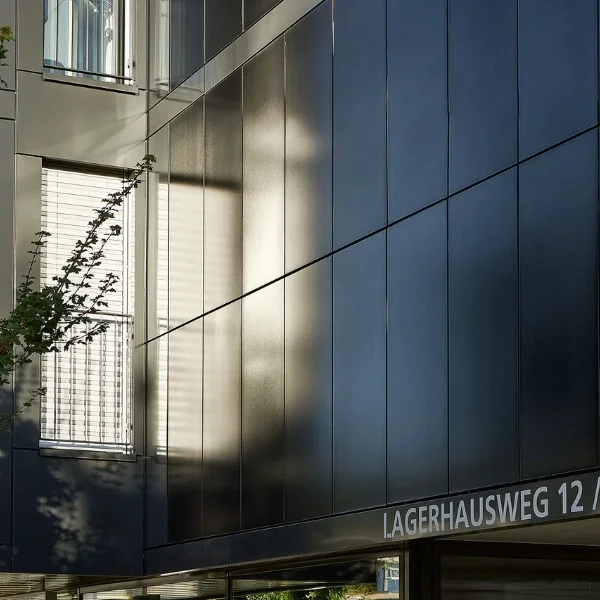
A south-facing solar facade system typically delivers the highest annual energy yield because it receives the most direct sunlight.
-
Maximum solar exposure
-
Higher annual output for BIPV facade system installations
-
Stable seasonal performance
For architects designing a building-integrated photovoltaic facade system, south-facing surfaces are often prioritized for maximum efficiency.
1.2 East and West BIPV Facade Systems
East and west-oriented BIPV facade systems provide more balanced daily energy production:
-
East facade: morning energy generation
-
West facade: afternoon peak output
-
Better alignment with commercial electricity demand
This makes them highly suitable for office buildings using solar facade systems.
1.3 North-Facing Facade Limitations
North-facing BIPV facade systems receive limited direct sunlight and typically contribute lower energy output, although diffuse light can still generate minor electricity.
2. Solar Irradiance and Location Impact on BIPV Facade System Efficiency
The geographic location of a BIPV facade system installation significantly influences energy output.
High-irradiance regions allow solar facade systems to achieve higher performance, while cloudy or high-latitude areas reduce efficiency.
Even in low-light regions, advanced building-integrated photovoltaic facade systems can still provide stable energy contribution when properly designed.
3. Shading Effects on BIPV Facade System Performance
Shading is one of the biggest challenges for any BIPV facade system.
Common shading sources:
-
Surrounding buildings
-
Architectural structures
-
Trees and urban infrastructure
Even partial shading can significantly reduce the output of a solar facade system due to the electrical characteristics of PV modules.
To improve performance, modern BIPV facade systems often use:
-
Power optimizers
-
Microinverters
-
Zoning-based facade design
4. Temperature Influence on BIPV Facade System Output
Temperature directly impacts the efficiency of a BIPV facade system.
As the temperature increases, photovoltaic efficiency decreases. Vertical facade systems often experience higher operating temperatures than rooftop systems due to limited airflow.
Proper thermal design in a building-integrated photovoltaic facade system includes:
-
Ventilated curtain wall structures
-
Air gaps behind PV modules
-
Heat dissipation optimization
These improvements help maintain stable energy output.
5. System Design and Installation Quality of BIPV Facade Systems
The engineering design of a BIPV facade system plays a critical role in long-term efficiency.
Key factors include:
-
Mounting structure design (flush vs ventilated)
-
Electrical wiring layout
-
Inverter efficiency
-
MPPT optimization
A poorly designed solar facade system can lose a significant portion of its potential energy output even under ideal sunlight conditions.
6. PV Module Technology in BIPV Facade Systems
Different technologies affect the BIPV facade system efficiency:
Crystalline Silicon Modules
-
High efficiency
-
Widely used in solar facade systems
-
Sensitive to heat
Thin-Film Modules
-
Better low-light performance
-
Flexible integration into building-integrated photovoltaic facades
-
Lower peak efficiency
Bifacial Modules
-
Can capture reflected light
-
Increase total output in reflective environments
-
Suitable for advanced BIPV facade system designs
7. Surface Reflectivity and Environmental Impact
The environment around a BIPV facade system can significantly affect performance.
Light-colored surfaces increase reflected irradiance, improving output for lower-level facade panels in solar facade systems.
8. Soiling and Maintenance of BIPV Facade Systems
Dust, pollution, and dirt accumulation reduce the efficiency of a BIPV facade system over time.
Regular cleaning and maintenance are essential to ensure optimal performance of any building integrated photovoltaic facade system, especially in urban or industrial environments.
9. Electrical Losses in Solar Facade Systems
Even with optimal conditions, BIPV facade systems experience energy losses due to:
-
Cable resistance
-
Inverter conversion efficiency
-
Module mismatch
-
System aging
A well-designed solar facade system typically maintains a performance ratio of 70%–85%.
10. Energy Integration Strategy for BIPV Facade Systems
The true value of a BIPV facade system is not only in energy generation but also in how the energy is used.
Modern building integrated photovoltaic facade systems are most effective when integrated with:
-
Smart energy management systems
-
Peak load balancing
-
Commercial daytime electricity usage
This makes solar facade systems especially suitable for office and commercial buildings.
Conclusion
The efficiency of a BIPV Facade System depends on a combination of environmental conditions, architectural design, and system engineering.
Although a building-integrated photovoltaic facade system may not always match rooftop solar efficiency per square meter, it offers unmatched architectural integration and urban energy generation potential.
As technology evolves, the BIPV facade system will become a core component of net-zero energy buildings and future sustainable cities.
http://www.fgnexsolar.com
fgnexsolar -
-
AuthorPosts

- You must be logged in to reply to this topic.